E‑Waste Recycling vs Disposal: What’s the Best Option?
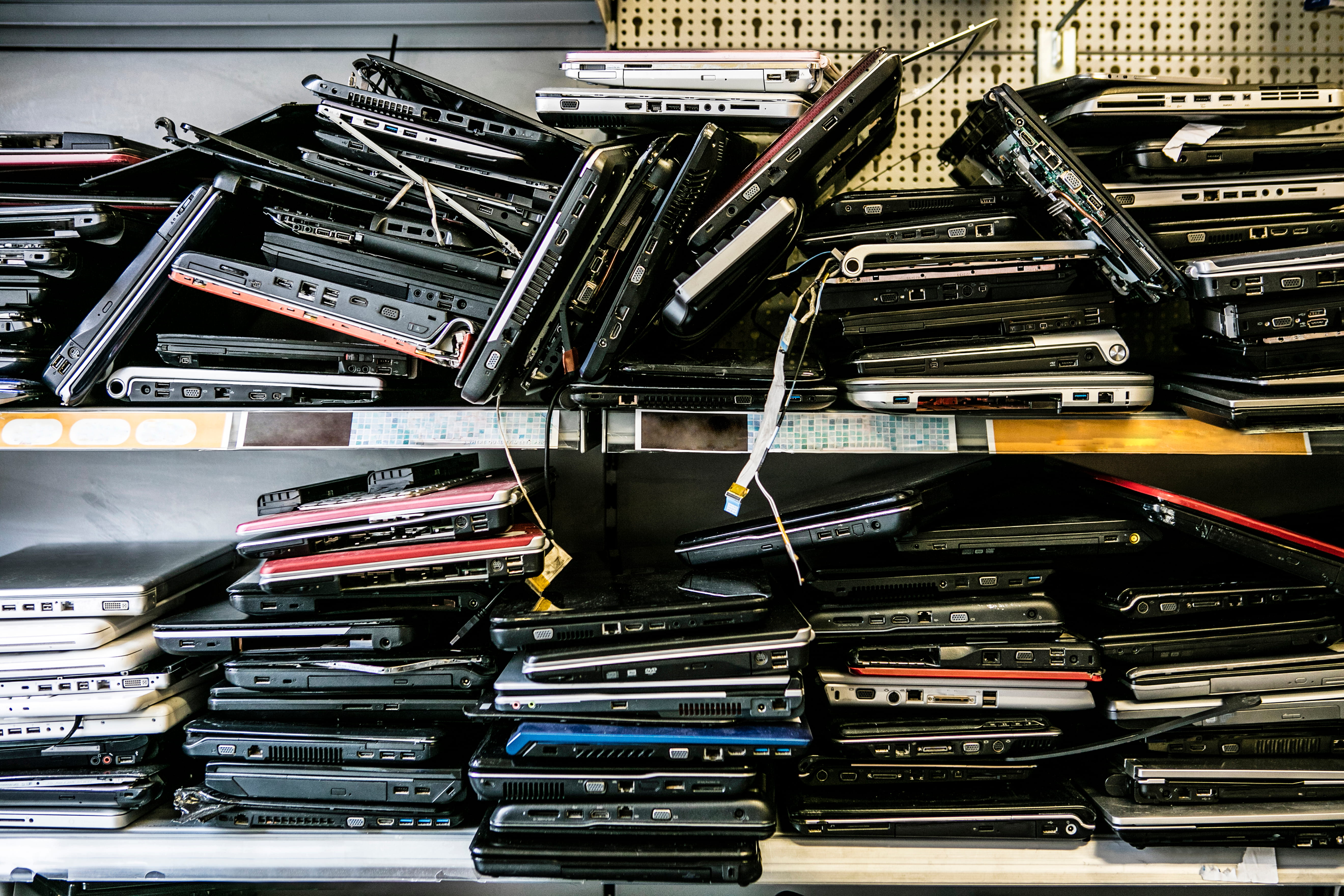
As electronic devices become essential to daily business operations, organisations in Singapore are facing a growing challenge: how to manage outdated, damaged, or end-of-life equipment responsibly. From laptops and servers to mobile devices and peripherals, e-waste is accumulating faster than many businesses anticipate. Choosing between recycling and disposal is no longer a purely operational decision. It has direct implications for data security, regulatory compliance, and environmental responsibility. Within Singapore’s e-waste management sector, Vision Green is one of the entities operating alongside evolving regulatory and sustainability frameworks.
This article examines the differences between e-waste recycling and disposal in Singapore, explains the risks and benefits of each approach, and outlines key considerations to help organisations assess which option offers the safest and most sustainable outcome.
Key Takeaways
- E-waste recycling focuses on material recovery and environmental responsibility, while disposal often prioritises removal rather than long-term impact.
- Working with a certified e-waste recycling company in Singapore helps organisations meet sustainability and governance goals.
- Improper disposal of electronic waste can create data security, compliance, and reputational risks.
- Recycling supports Singapore’s environmental objectives by reducing landfill waste and encouraging circular use of materials.
- Choosing the right approach depends on asset type, data sensitivity, and organisational priorities.
What is E-Waste in the Singapore Context
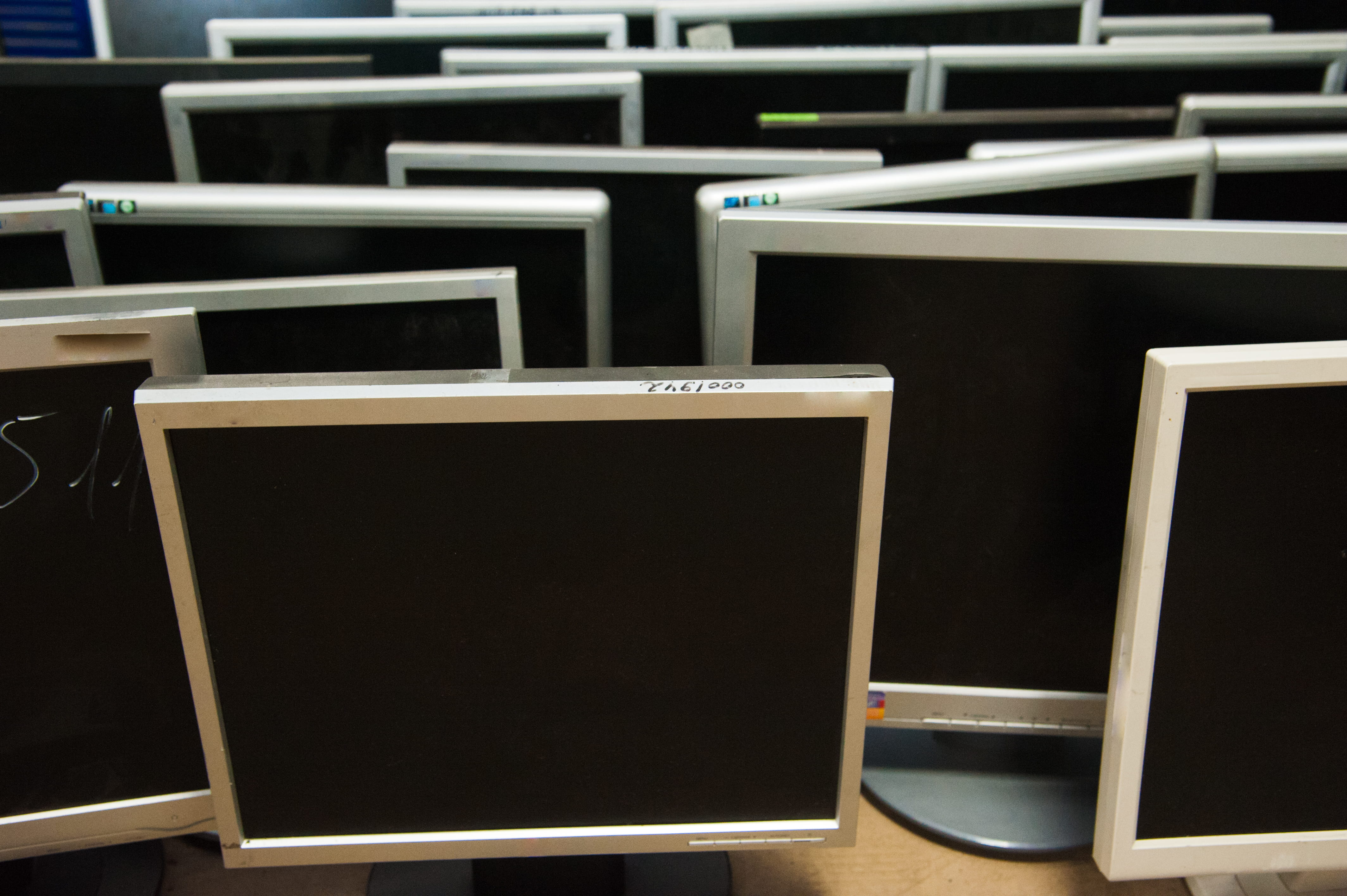
E-waste refers to discarded electrical and electronic equipment that is no longer usable or required. This includes devices such as:
- Computers
- Servers
- LCD monitors
- Printers
- Networking equipment, and
- Mobile phones
In Singapore, e-waste management is closely tied to environmental protection, corporate responsibility, and data governance. Businesses are increasingly expected to manage electronic waste in ways that minimise environmental harm and ensure sensitive data is not exposed.
The distinction between recycling and disposal becomes important because each approach carries different implications for compliance, sustainability, and risk.
What Is E-Waste Disposal?
E-waste disposal generally refers to the removal and elimination of electronic equipment without a strong emphasis on material recovery or reuse. In some cases, disposal may involve basic dismantling or sending equipment to waste streams with limited oversight.
While disposal may appear to be a quick solution, it often raises concerns.
Limitations of Traditional Disposal
Disposal methods that do not prioritise recycling or recovery can result in valuable materials being lost. Electronics contain metals, plastics, and components that could otherwise be reused.
From a compliance standpoint, disposal without proper documentation makes it difficult to demonstrate responsible handling during audits or internal reviews.
Data Security Risks
Many electronic devices retain data even when they are no longer functional. Disposal processes that lack structured data handling increase the risk of data leakage, especially for organisations handling personal or confidential information.
What Is E-Waste Recycling?
E-waste recycling takes a more structured and responsible approach. It focuses on recovering usable materials, safely processing hazardous components, and ensuring that data-bearing devices are handled securely.
An e-waste recycling company in Singapore typically operates under established environmental and data protection standards, offering traceability and accountability throughout the process.
Environmental Benefits of Recycling
Recycling reduces the volume of waste sent to landfills and lowers the demand for raw materials. Metals and plastics recovered from electronic equipment can be reintroduced into manufacturing processes, supporting a circular economy.
Governance and Reporting Advantages
Recycling programmes often include documentation, reporting, and certification. This helps organisations demonstrate compliance with internal policies, sustainability goals, and regulatory expectations.
E-Waste Recycling vs Disposal: A Practical Comparison
To better understand how these approaches differ, it is helpful to compare them across key considerations.
This comparison highlights why many organisations are shifting away from basic disposal towards recycling-focused strategies.
Why Businesses Are Moving Towards E-Waste Recycling in Singapore
Singapore’s emphasis on sustainability and accountability has influenced how organisations manage waste. E-waste recycling aligns more closely with these expectations.
Supporting Corporate Sustainability Goals
Many businesses now track environmental performance as part of ESG reporting. Partnering with an e-waste recycling company in Singapore helps organisations demonstrate tangible action towards waste reduction and responsible resource use.
Reducing Long-Term Risk
Recycling processes are typically more transparent and controlled than disposal. This reduces the likelihood of unmanaged assets, undocumented handling, or improper treatment of sensitive equipment.
Improving Internal Accountability
Clear recycling workflows make it easier for IT, compliance, and facilities teams to coordinate responsibilities. Defined processes reduce confusion and improve internal governance.
When Disposal May Still Be Considered
While recycling is generally the preferred option, there are scenarios where disposal may still occur.
For example, certain components may not be recyclable due to contamination or damage. In such cases, responsible disposal methods should still prioritise environmental safety and data protection.
However, even when disposal is necessary, working with a provider that integrates disposal into a broader recycling-focused framework helps maintain accountability.
The Role of Data Security in E-Waste Decisions
Data security is a critical factor when choosing between recycling and disposal. Many devices store information long after they are powered down.
An e-waste recycling company in Singapore typically incorporates secure data handling into its processes, ensuring that storage media is properly sanitised or destroyed before recycling.
This structured approach reduces the risk of data exposure and supports compliance with data protection obligations.
How E-Waste Recycling Fits Into IT Asset Lifecycle Management
E-waste recycling is most effective when integrated into broader IT asset lifecycle planning. Rather than treating end-of-life equipment as an afterthought, organisations can plan for responsible recycling from the outset.
This includes:
- Identifying assets approaching end of life
- Scheduling recycling alongside hardware refresh cycles
- Maintaining inventory records and documentation
This proactive approach improves efficiency and reduces operational disruption.
Environmental Responsibility and Regulatory Expectations
Singapore’s environmental framework encourages responsible waste management, particularly for electronic waste. Businesses are increasingly expected to demonstrate that their waste practices align with national sustainability objectives.
Choosing an e-waste recycling company in Singapore supports these expectations by ensuring that hazardous materials are handled appropriately and valuable resources are recovered.
This not only reduces environmental impact but also strengthens corporate responsibility narratives.
Choosing the Right E-Waste Recycling Partner
Selecting a recycling partner requires careful consideration. Organisations should look beyond convenience and assess process integrity.
Key factors to evaluate include:
- Transparency of recycling methods
- Data security measures
- Documentation and reporting capabilities
- Experience handling commercial or regulated equipment
A reliable partner provides clarity at every stage rather than treating recycling as a simple removal task.
E-Waste Recycling as a Long-Term Business Strategy
E-waste recycling is not just an environmental initiative. It is a strategic decision that supports governance, compliance, and risk management.
By adopting recycling-focused practices, organisations reduce uncertainty, improve audit readiness, and demonstrate responsible leadership.
Over time, this approach builds trust with stakeholders and supports sustainable growth.
Sustainable E-Waste Management With the Right Recycling Partner
Choosing between e-waste recycling and disposal has long-term implications for security, sustainability, and compliance. E-waste recycling offers a structured, responsible approach that aligns with Singapore’s regulatory and environmental priorities. At Vision Green, we support organisations through comprehensive e-waste recycling services that prioritise data protection, material recovery, and clear documentation.
If your organisation is reviewing its approach to electronic waste, we can help you assess current practices and implement a recycling strategy that supports both operational and sustainability goals. Speak with our team to explore how responsible e-waste management can add long-term value to your business.
Frequently Asked Questions
How can businesses determine whether equipment should be recycled or disposed of?
The decision depends on asset condition, data sensitivity, and material composition. A professional assessment helps determine whether recycling or controlled disposal is appropriate.
Does e-waste recycling require more planning than disposal?
Recycling involves more structure, but this planning reduces risk and improves accountability. Over time, it often simplifies operations rather than complicating them.
Can e-waste recycling support internal sustainability reporting?
Yes. Recycling documentation provides measurable data that can be used in ESG and sustainability reports.
Is e-waste recycling suitable for small organisations?
E-waste recycling is suitable for organisations of all sizes. Even small volumes of electronic waste benefit from responsible handling and documentation.
How often should organisations review their e-waste management strategy?
It is advisable to review e-waste management practices annually or whenever there are significant changes to IT infrastructure or regulatory requirements.