End-to-End IT Asset Disposal Services in Singapore: From Pickup to Certification

As organisations in Singapore continue to upgrade systems, migrate to the cloud, and refresh hardware, managing obsolete IT equipment has become a growing operational and compliance concern. Secure IT asset disposal in Singapore is no longer a back-end administrative task. It is a critical function tied to data protection, regulatory accountability, and environmental responsibility. Vision Green operates in this area as part of Singapore’s IT asset disposal sector.
This article explores what secure IT asset disposal in Singapore truly involves, how end-to-end services work from pickup to certification, and why a well-designed disposal strategy adds real value to organisations across industries.
Key Takeaways
- Secure IT asset disposal in Singapore protects organisations from data breaches by controlling every stage of the disposal process.
- End-to-end services provide visibility, documentation, and certification that support audits and regulatory compliance.
- Proper IT asset disposal aligns with PDPA obligations and internal data governance policies.
- Environmentally responsible recycling supports corporate sustainability and ESG reporting.
- Working with a single disposal partner reduces operational risk and simplifies long-term IT lifecycle planning.
Understanding Secure IT Asset Disposal in Singapore
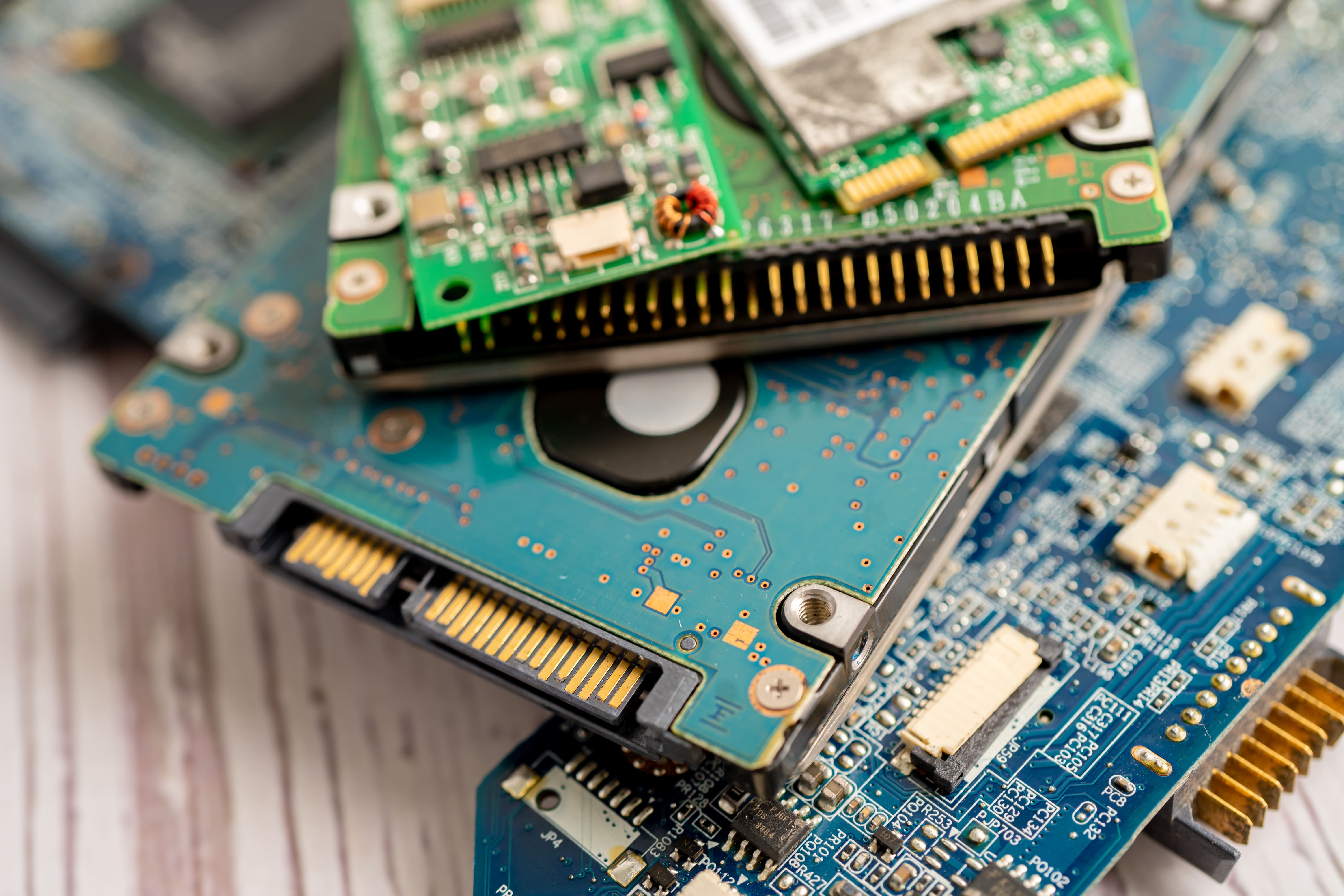
Secure IT asset disposal refers to the controlled and compliant handling of IT equipment that has reached the end of its useful life. This includes ensuring that all data stored on devices is irreversibly destroyed and that physical components are responsibly recycled or recovered.
In Singapore, this process is especially important due to strict expectations around data protection, corporate governance, and environmental stewardship. A secure approach ensures that organisations retain accountability for their assets even after they leave the premises.
Unlike ad hoc disposal methods, end-to-end services are designed to minimise gaps, eliminate uncertainty, and provide verifiable outcomes.
Why Secure IT Asset Disposal Is a Business Priority
Many organisations underestimate the risks associated with outdated IT equipment. However, discarded devices often contain sensitive corporate, customer, or employee data.
Secure IT asset disposal in Singapore addresses several critical business concerns.
Data Protection and PDPA Compliance
Under Singapore’s Personal Data Protection Act, organisations are responsible for safeguarding personal data throughout its lifecycle. This responsibility does not end when equipment is decommissioned.
Improper disposal can result in data leakage, regulatory penalties, and reputational damage. Secure disposal ensures that data-bearing components are identified, processed, and destroyed according to recognised standards.
Risk Management and Corporate Governance
From a governance perspective, unmanaged IT assets represent an uncontrolled risk. Without clear documentation, organisations may struggle to prove that data was handled appropriately.
End-to-end disposal services introduce traceability, accountability, and audit readiness into the process.
Sustainability and Environmental Responsibility
Electronic waste is one of the fastest-growing waste streams globally. Secure IT asset disposal in Singapore also plays a role in ensuring that equipment is recycled responsibly and does not contribute to environmental harm.
What End-to-End IT Asset Disposal Services Include

A true end-to-end IT asset disposal service covers more than just collection. It provides a structured workflow that governs how assets are handled from start to finish.
Secure Pickup and Chain of Custody
The process begins with scheduled and controlled pickup from the client’s premises. Assets are handled in a manner that reduces the risk of loss, tampering, or unauthorised access.
A documented chain of custody ensures accountability from the moment equipment leaves the site.
Asset Logging and Inventory Control
Once collected, assets are logged into an inventory system. This step is essential for transparency and audit support.
Inventory records typically include asset descriptions, serial numbers, and identification of data-bearing components.
Data Destruction and Sanitisation
Data destruction is the core of secure IT asset disposal in Singapore. Depending on organisational requirements, this may involve certified data wiping, physical destruction of storage media, or a combination of both.
The goal is to ensure that no recoverable data remains on any device.
Recycling and Material Recovery
After data has been securely removed, remaining components are assessed for recycling or recovery. Materials such as metals, plastics, and circuit boards are processed through approved channels to reduce environmental impact.
Certification and Reporting
The final stage involves issuing certificates of data destruction and recycling. These documents provide formal proof that assets were disposed of in accordance with agreed standards.
Common IT Assets Requiring Secure Disposal

Not all IT equipment carries the same level of data risk, but many devices store sensitive information long after active use.
Common assets included in secure IT asset disposal programmes include:
- Laptops, desktops, and workstations
- Servers and data centre equipment
- Hard drives, SSDs, and other storage media
- Network devices such as routers and switches
- Mobile devices and tablets
A comprehensive disposal strategy accounts for each category and applies appropriate handling methods.
Comparing IT Asset Disposal Approaches in Singapore
Organisations often choose between different disposal methods based on cost, convenience, or internal capabilities. The table below highlights how these approaches differ in practice.
This comparison shows why secure, end-to-end services are increasingly preferred in regulated and data-sensitive environments.
Operational Benefits of Secure IT Asset Disposal
Beyond compliance, secure IT asset disposal in Singapore offers practical operational advantages.
By outsourcing the process, internal teams avoid the administrative burden of coordinating pickups, managing vendors, and tracking documentation. This is particularly valuable during office relocations, mergers, or large-scale hardware refreshes.
Clear processes also reduce delays and internal friction between IT, compliance, and procurement teams.
Integrating IT Asset Disposal Into IT Lifecycle Management
Many organisations treat disposal as a one-off task. However, integrating secure IT asset disposal into broader IT lifecycle planning improves efficiency and reduces long-term risk.
Regular disposal schedules prevent the accumulation of obsolete equipment, reduce storage costs, and ensure that ageing devices do not become security liabilities.
This proactive approach supports better budgeting, clearer asset visibility, and improved governance.
Sustainability and Secure IT Asset Disposal in Singapore
Sustainability is becoming a core business consideration in Singapore. Secure IT asset disposal contributes to environmental goals by ensuring responsible recycling and material recovery.
By working with a disposal partner that prioritises proper recycling, organisations can support ESG objectives while maintaining data security.
This alignment strengthens corporate responsibility narratives and demonstrates commitment to sustainable practices.
What to Look for in a Secure IT Asset Disposal Partner
Choosing the right partner is essential to achieving reliable outcomes. Organisations should evaluate providers based on process integrity rather than cost alone.
Key factors to consider include:
- Clear chain-of-custody controls
- Recognised data destruction methodologies
- Transparent reporting and certification
- Experience handling sensitive or regulated environments
A strong partner acts as an extension of your internal controls rather than a transactional service provider.
Secure IT Asset Disposal in Singapore as a Strategic Safeguard
Even a single improperly handled device can expose sensitive data or undermine compliance efforts. Secure IT asset disposal in Singapore reduces this risk by applying consistent standards regardless of volume or asset type.
Whether disposing of a small batch of devices or an entire data centre, structured processes ensure predictable and defensible outcomes.
Strengthening Compliance Through Process Design
Compliance does not need to add complexity. When IT asset disposal is designed as a structured process, compliance becomes a natural outcome rather than an additional burden.
Clear workflows, defined responsibilities, and standardised documentation simplify audits and internal reviews.
Secure IT Asset Disposal Services That Support Business Confidence
Secure IT asset disposal in Singapore plays a critical role in protecting data, supporting regulatory compliance, and advancing sustainability goals. At Vision Green, we provide end-to-end IT asset disposal services that cover secure pickup, data destruction, responsible recycling, and formal certification.
If your organisation is planning a hardware refresh, office relocation, or data centre consolidation, we can help you manage IT asset disposal with clarity, accountability, and confidence. Speak with our team to understand how a secure, structured disposal process can support your operational and compliance priorities.
Frequently Asked Questions
How often should organisations review their IT asset disposal process?
Organisations should review their disposal process at least annually or whenever there are significant changes to IT infrastructure, regulatory requirements, or data handling policies.
Can secure IT asset disposal support internal risk assessments?
Yes. Documented disposal workflows and certification provide valuable inputs for internal risk assessments and governance reviews.
Is secure IT asset disposal relevant for small businesses?
Secure disposal is relevant for organisations of all sizes. Even small businesses handle sensitive data and benefit from structured, compliant disposal processes.
What role does inventory reporting play in IT asset disposal?
Inventory reporting provides traceability and accountability. It allows organisations to verify that all assets handed over have been securely processed.
How does secure IT asset disposal reduce long-term business risk?
By ensuring data is irreversibly destroyed and assets are responsibly recycled, secure IT asset disposal reduces the risk of data breaches, regulatory issues, and reputational damage over time.