5 Ways Laptop Recycling Services in Singapore Protect Your Data and Boost Sustainability
Old devices and laptops often become broken, sluggish, and unused, contributing to Singapore’s growing e-waste problem. Electronic waste contains hazardous chemicals like lead, mercury, and lithium that can harm human health and pollute the environment.
Laptop recycling services in Singapore offer a responsible solution. By partnering with a licensed e-waste recycler, consumers and businesses can ensure their devices are processed safely, sensitive data is securely erased, and valuable materials are recovered for new electronic equipment. If consumers have stopped using their sluggish laptops, e-waste recycling bins can find a new use for them.
Key Takeaways
- Laptop recycling services in Singapore help protect sensitive data through certified wiping, degaussing, and physical shredding. These secure processes prevent data theft and ensure disposed devices leave no recoverable information behind.
- Proper recycling keeps hazardous materials—like lithium batteries and heavy metals—out of Singapore’s landfills. This reduces pollution and supports healthier ecosystems for nearby communities.
- Refurbishment and parts harvesting extend the life cycle of laptops and components that still have value. These practices reduce the demand for new manufacturing and support a circular, repair-friendly economy.
- Recovering raw materials such as copper, aluminium, and gold reduces reliance on resource-intensive mining. Using recycled metals lowers greenhouse gas emissions and conserves the earth’s finite resources.
- Partnering with a licensed and transparent recycler ensures compliance with Singapore’s e-waste regulations. This gives consumers and businesses confidence that both data privacy and environmental responsibilities are fully met.
The Amount of E-Waste in Singapore
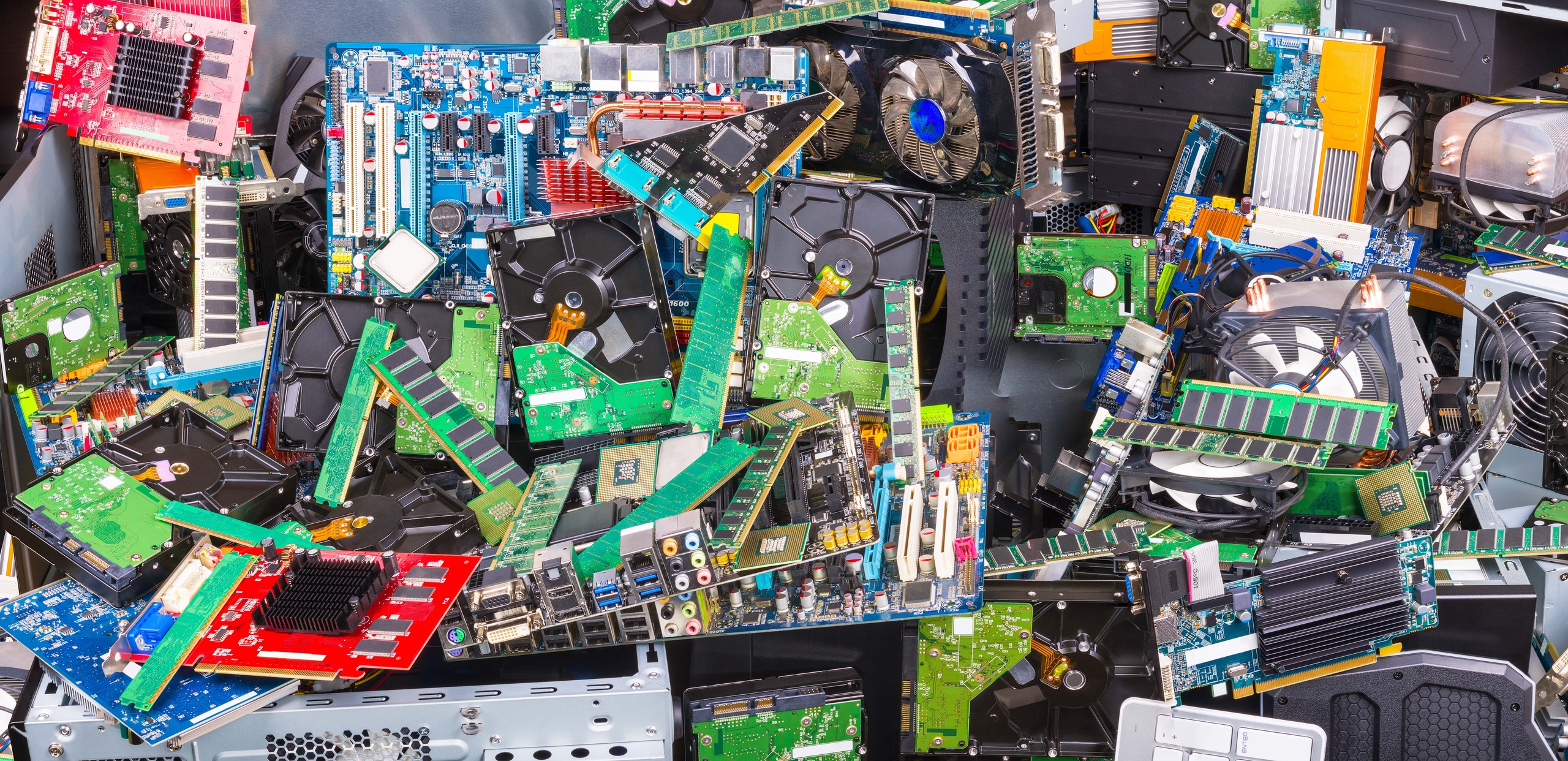
Singapore generates a significant volume of e-waste each year, adding to the growing challenge of electronic waste management. Since 2018, that figure has been 60,000 tonnes annually. However, as of October 2025, the figure has subsided to only 10,000 for 2025, according to Alba e-waste.
The decrease in e-waste is thanks to Singapore's growing push for sustainability—notably, the Resource Sustainability (E-waste Recyclers) Regulations 2021 and the National Environment Agency (NEA) nationwide e-waste management system, which were introduced in the same year. These initiatives helped to drastically decrease e-waste since the NEA's 2018 study.
However, this doesn't mean consumers and businesses should be complacent. Continued green initiatives are imperative to a more sustainable future. Improper disposal of outdated electronics contributes to the release of toxic chemicals into the environment. Many households and businesses still discard laptops alongside general waste, unaware of the hazardous materials inside, including lithium-ion batteries.
Laptops are among the most valuable electronics found in landfills, with some still containing functioning batteries, circuitry, speakers, and screens. Just because the motherboard's dead doesn't mean the laptop is no longer usable. With proper disposal and recycling, discarded laptops can still benefit the tech economy.
What Goes Into Proper Laptop Disposal
Proper laptop disposal is more than simply throwing a device into a recycling bin. Responsible e-waste recycling involves multiple steps.
Ultimately, the goal is to conserve resources and minimise the emissions associated with mining and manufacturing. Proper laptop disposal helps extract valuable materials to be reused in manufacturing, and also produces refurbished devices that breathe new life into devices that would have otherwise gone to the landfill.
As such, proper laptop disposal involves the following:
Data Protection and Shredding
One of the most critical aspects of laptop recycling is data protection. Laptops often contain sensitive data, such as personal information, financial records, or proprietary business files.
Certified data destruction services ensure that all data is completely erased, using techniques like degaussing and physical destruction of storage devices. By safeguarding information, recyclers prevent identity theft and data breaches.
Under the E-waste Recyclers Regulation 2021, recycling facilities are required to wipe memory-bearing devices (e.g., hard disc drive, solid state drive, flash drive, etc.) before processing them for recycling. This protects the disposed device's owners' privacy and security.
Laptop Refurbishing
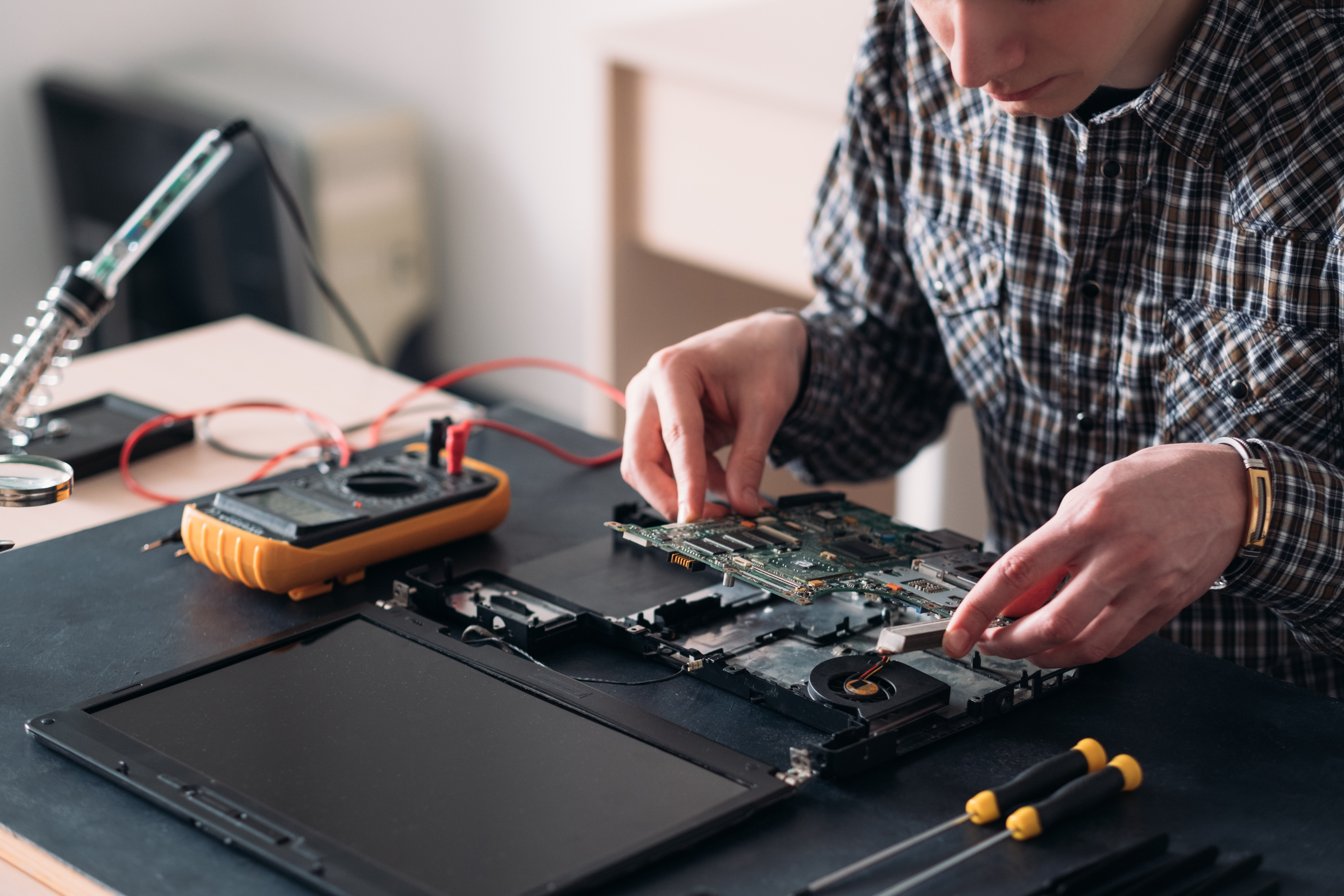
Functional laptops that are no longer needed can often be refurbished. Laptop refurbishing extends the life cycle of devices, allowing them to be reused by another set of hands.
This reduces demand for new materials, conserving earth metals that would otherwise have been mined to produce new laptops.
Refurbished laptops save money for the end-user. In addition, they reduce the environmental impact associated with new electronics production, including energy-intensive manufacturing.
Refurbishment is a core practice in a circular economy, turning devices that would have polluted soil, water, and air into functional tools that benefit society.
Parts Harvesting
During recycling, specific components are harvested for reuse or material recovery, preventing unnecessary disposal of electronic equipment. Components extracted from laptops include:
- PCBA (Printed Circuit Board Assembly) – Contains metals essential for electronics. Extracting the PCBA may also enable the creation of new electronics and devices.
- Storage Devices – Depending on the severity of the damage, memory devices may be refurbished and reused in other laptops or computers, or sold as refurbished components.
- Battery – These can power a range of gadgets and appliances. If a battery's charge is fully depleted, the battery may be refined into aluminium.
- Speakers – A laptop that fails to start or is completely broken may still have functional speakers. These speakers may be used to make new audio devices.
- Shell – The laptop shell can be used as a casing for another laptop or recycled for metal and plastic.
Harvesting parts prevents valuable components from going to waste (as they often do when they end up in landfills).
Raw Materials Recycling
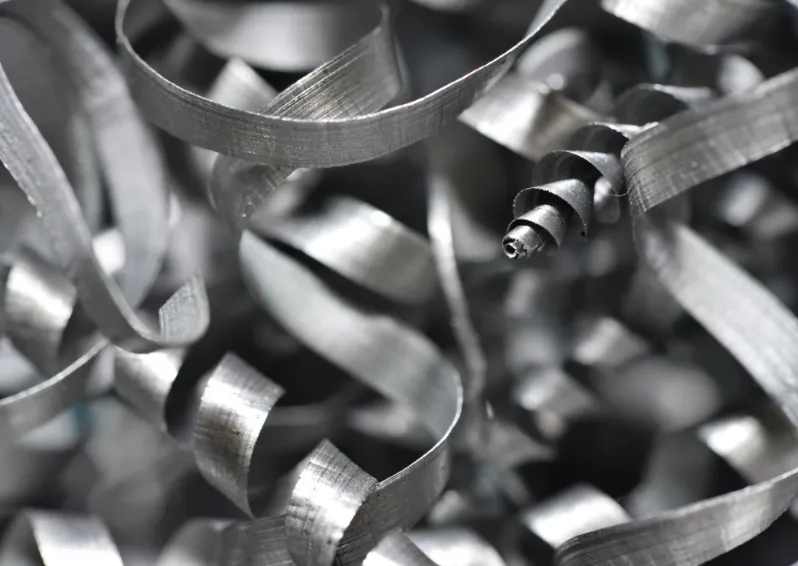
Even after parts harvesting, laptops contain valuable materials like copper, aluminium, and gold that can be recovered.
Through proper recycling, these resources are extracted and reused in new electrical equipment. This brings the following benefits to the environment:
- Converses finite resources. Utilising recycled materials conserves the earth's finite resources, since sourcing recycled materials doesn't require mining for new materials.
- Prevents pollution. Mining harms land, air, and sea with metal pollutants. Sourcing recycled materials prevents this pollution, which also reduces its impact on health.
Recovering raw materials also supports sustainable practices and the development of a circular economy for electronics.
How Proper Laptop Recycling Protects Your Data
Protecting sensitive data is one of the pillars of service for a licensed e-waste recycler. A licensed recycler protects personal data through the following ways:
Prevents Data Theft and Leaks by Thorough Sanitisation
Certified recycling services perform data wiping to erase information from laptops. By doing so, identity theft and data breaches are prevented, protecting personal and business information.
The drives of devices found in landfills or stored away in abandoned shelves can still have their data retrieved and exploited. As such, improper disposal can lead to data theft.
HDD Degaussing
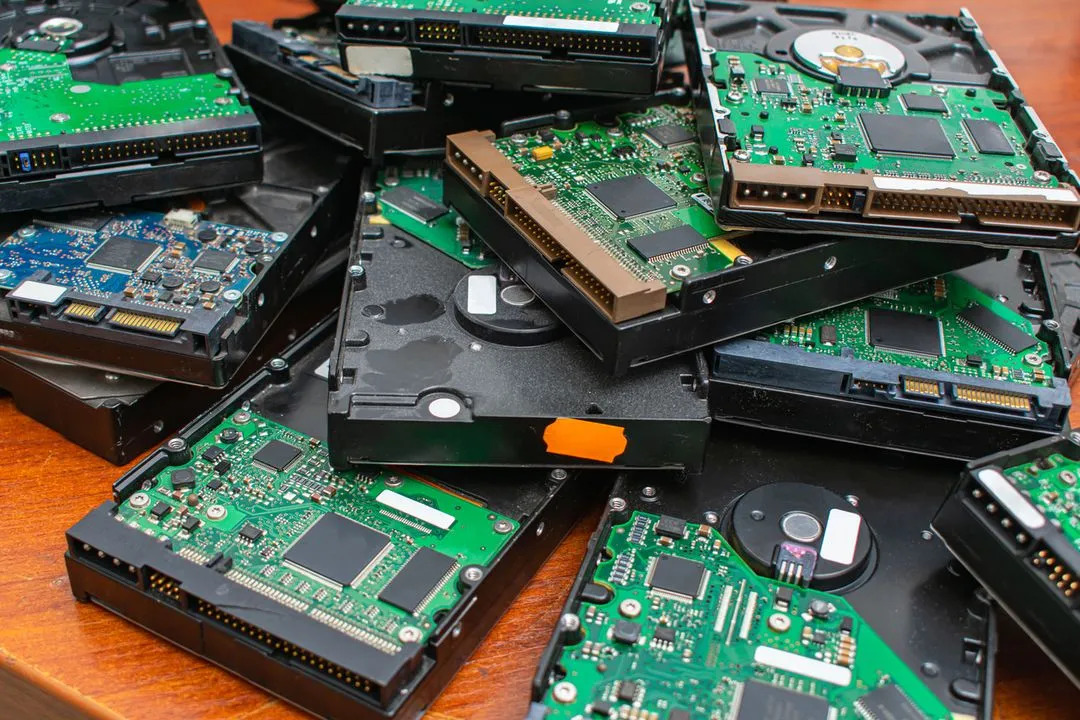
Hard disk drives (HDDs) store data magnetically, and degaussing ensures all data is completely erased. This method prevents any recovery of sensitive data, providing additional protection beyond standard digital deletion.
Physical SSD Shredding
Solid-state drives (SSDs) store data differently than HDDs, making them more resistant to conventional wiping. Physical shredding ensures that sensitive data is irrecoverable and protects against data breaches.
In SSDs, the tiny memory chips that actually store the data (NAND flash chips) are destroyed into pieces small enough that the electrical pathways and memory cells can’t be reconstructed.
Transparent Data Sanitisation Processes
Recyclers maintain detailed documentation of the data destruction process, offering transparency and chain-of-custody verification. Clients can confirm that their devices have been securely processed, since certificates of destruction are provided with the drive disposal service.
Resale of Refurbished Device is Permitted Unless Client States Otherwise
Refurbished laptops can be sold or donated unless clients, for any reason, opt out of refurbishment. This maintains the option for recyclers to provide reuse opportunities without compromising data security.
How Laptop Recycling Boosts Sustainability
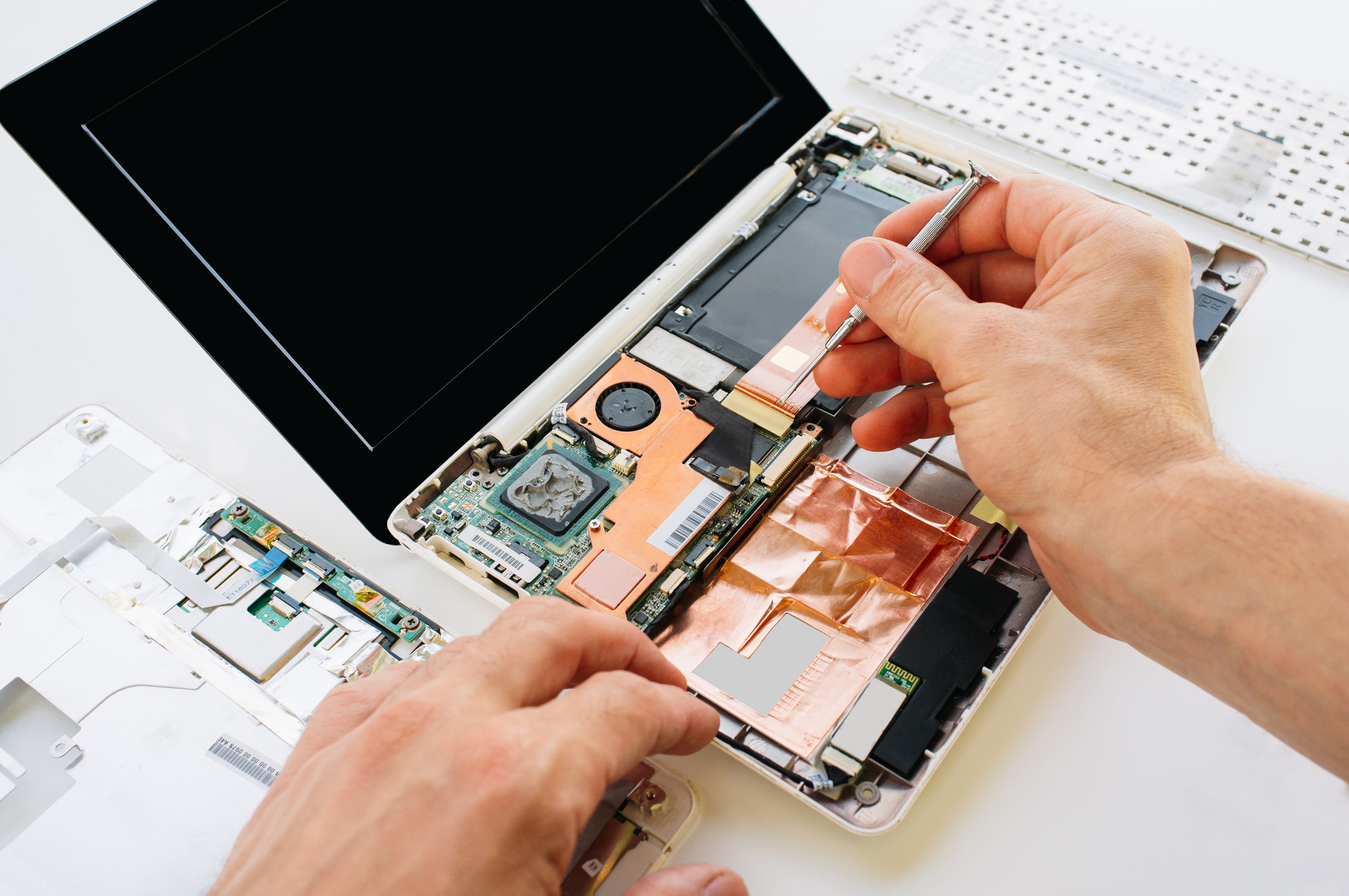
Laptop recycling promotes a sustainable, consumer-centred ecosystem and significantly reduces environmental impact. Listed below are ways in which laptop recycling achieves that.
Reduces New Laptop Production and Associated Emissions
By refurbishing and reusing laptops, fewer new materials are required for production. This reduces energy consumption, carbon footprint, and air pollution, supporting a sustainable future.
Reduces Need to Mine for Raw Materials
Recovering earth metals from laptops reduces reliance on mining, which can cause water pollution and harm to wildlife. When manufacturers source recycled materials, it reduces the need to mine for new metals.
In turn, laptop recycling contributes to resource conservation and environmental responsibility.
Reduces E-Waste and Landfill Mass
Recycling programs breathe new life into laptops, lessening e-waste in landfills. This prevents toxic chemicals and hazardous substances in old electronics from entering landfills and contaminating the environment.
As a result, laptop recycling minimises human health risks posed to nearby communities and the harmful effects on the environment.
Makes Spare Parts More Accessible and Repairing More Affordable
Very often, the cost of repair is no different from buying a new device. While the former is the more sustainable option, the latter is more pragmatic.
Recycled components increase the availability of spare parts for repairs, reducing the need to purchase new devices. This effort extends the life cycle of electronic equipment, supporting accessibility to electronics, as well as opportunities and growth in today's digital economy.
Promotes a Sustainable, Circular Economy for Refurbished Goods
Recycled laptops, parts, and materials support a circular economy, keeping resources in use longer. This encourages environmentally responsible practices for a greener future.
When implemented at scale, practices and culture will follow. Sending devices in for repair would be common practice, and buying refurbished laptops won't be disregarded as a "cheap" investment.
Signs of a Trusted Recycling Partner
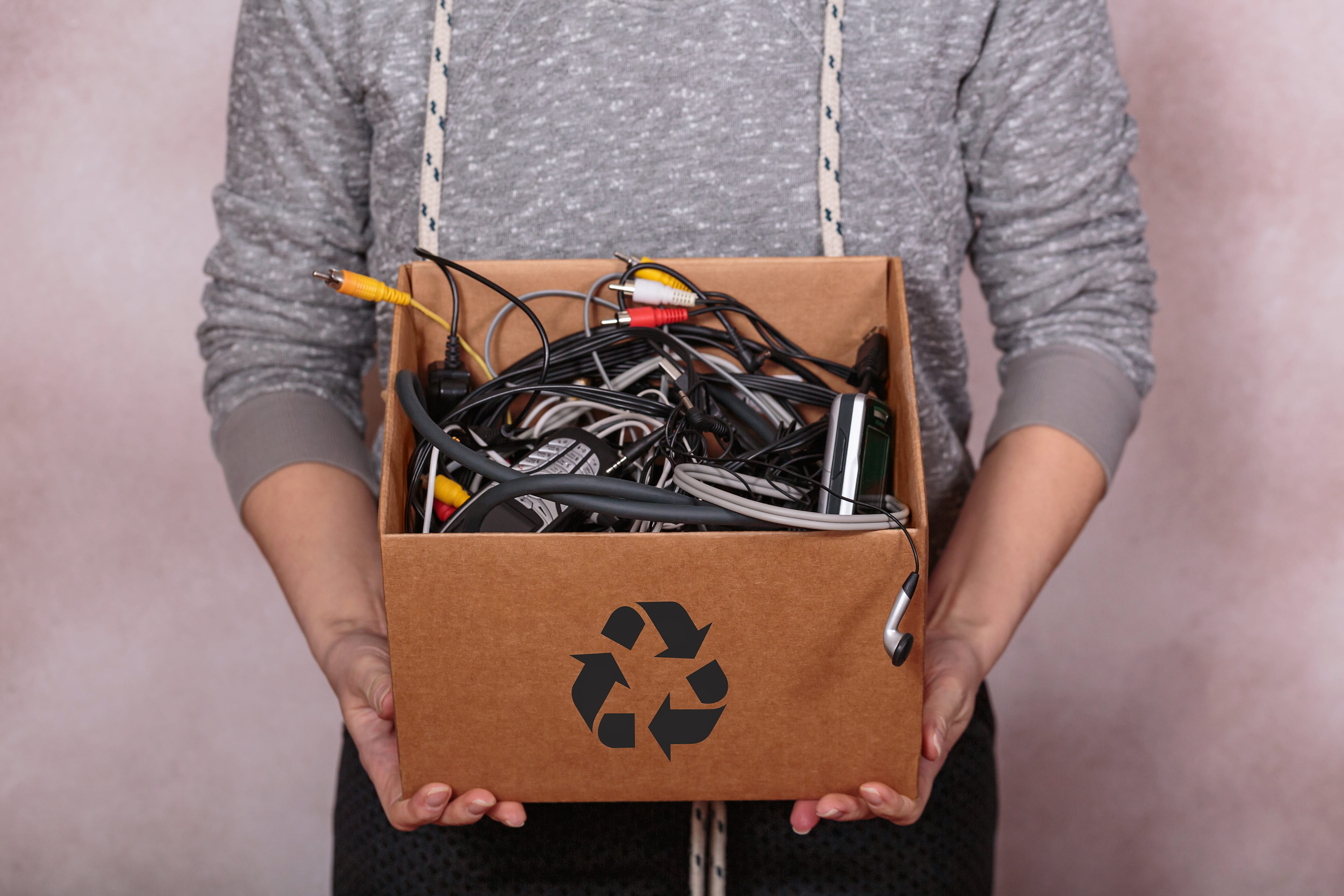
A trusted recycling partner ensures that the devices handed off for recycling are all recycled and harvested for their parts and materials.
Also, according to Section 24 of the Personal Data Protection Act 2012, businesses must take every step to ensure the safety of their customers’ information. It’s therefore crucial that businesses recycle company devices through trusted recycling partners. Look for recyclers that uphold the following:
- Transparency and Reporting – Provides documentation of data destruction and recycling processes.
- Utilisation of Discarded Components – Extracts valuable resources for reuse or refurbishment.
- Certifications – Holds certifications of recognition for their commitment to safe operations and sustainability. Notable certifications include those from SERI, bizSAFE, ISO, and NEA.
- Compliance with E-waste Recycling and Management Laws – Follows the Resource Sustainability Regulations of 2021, guaranteeing responsible e-waste recycling.
Recycle E-Waste and Join the Green Initiative Today!
Recycling laptops responsibly contributes to a greener future that’s beneficial for everyone, in terms of tech affordability and environmental sustainability.
Partner with Vision Green, a licensed e-waste recycler in Singapore, to help ensure your devices contribute to a cleaner environment. All the while, protecting your sensitive data.
Vision Green is certified by ISO, bizSAFE, SERI, and the NEA as an e-waste recycler. Working with us helps promote public safety and reduces toxic e-waste in landfills. Recycle your laptops responsibly today. Get in touch with us today.
Frequently Asked Questions
Can I recycle a laptop even if it no longer turns on?
Yes—non-functional laptops are accepted by recycling facilities. In fact, that's the primary reason most people send their laptops in to be recycled. Many components remain harvestable, and raw materials can still be extracted regardless of device condition.
Do recyclers accept accessories like chargers, cables, or laptop bags?
Many recyclers accept electronic accessories such as chargers and cables, but policies vary. Laptop bags may not be accepted, depending on whether the facility processes textile waste.
Can businesses request on-site data destruction instead of sending drives off-site?
Yes, some ITAD and recycling providers offer on-site shredding or degaussing for added security. This is often preferred by companies handling sensitive or confidential information as it reduces the risk of the devices being stolen while in transit.
Is it possible to get a report on what happened to each laptop or storage device?
Most certified recyclers provide detailed tracking, including serial-number logging and certificates of destruction. This ensures full traceability for internal audits and compliance records.
What happens to laptops that cannot be refurbished or harvested for parts?
Devices that are beyond recovery are dismantled, and their raw materials are separated for recycling. This ensures that even non-functional units contribute to resource recovery rather than landfill waste.