HDD vs SSD: Why Hard Disk Disposal in Singapore Requires Different Methods
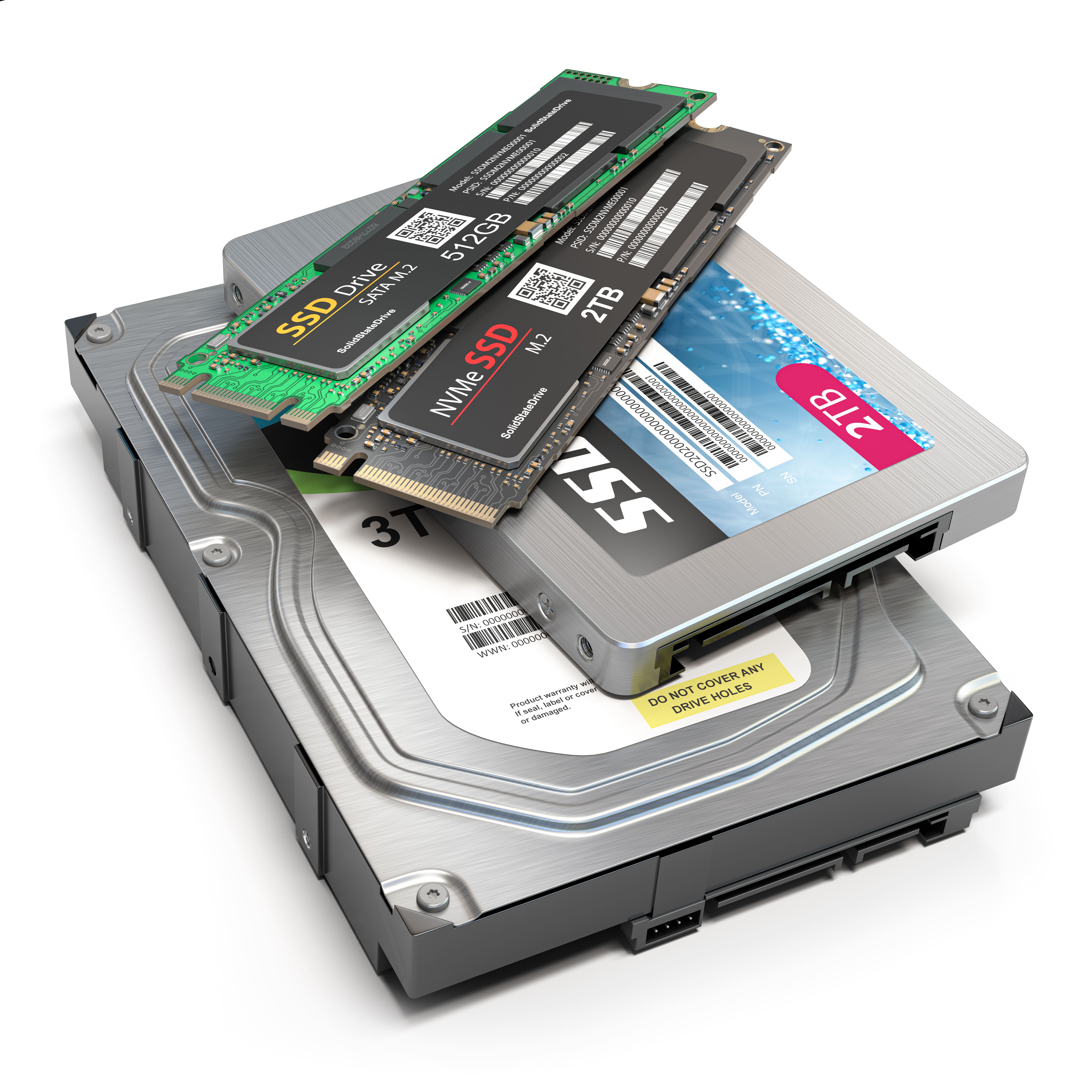
When you look into your options for hard disk disposal in Singapore, it is easy to assume that every storage device can be handled in much the same way, yet the point at which data becomes vulnerable is often the point at which businesses oversimplify the process.
An old drive may look inactive, outdated, or ready for recycling, though the information inside it can still be recoverable if the wrong destruction method is used.
Data protection, audit readiness, and environmental responsibility sit close together in Singapore. Proper disposal is less about getting rid of equipment and more about choosing a method that matches the device, the data, and the risk attached to both.
At Vision Green, this is the distinction we help businesses make every day. We work with organisations that need more than a generic disposal service. Because once payroll records, customer files, internal communications, legal documents, or medical data are involved, disposal becomes a matter of governance as much as operations.
That is why we approach HDDs and SSDs differently, while keeping the process secure from collection to destruction and then through to certified recycling.
Key Takeaways:
- HDDs and SSDs should not be disposed of in the same way because they store data differently and require different destruction methods.
- Degaussing can be effective for HDDs, but SSDs usually need physical destruction such as shredding, crushing, or puncturing.
- Proper hard disk disposal in Singapore should include media identification, secure chain of custody, tracked transport, monitored handling, destruction records, and responsible recycling.
- On-site destruction suits highly sensitive media that needs immediate witnessed destruction, while off-site destruction is often better for larger volumes.
- A strong disposal partner should match the destruction method to the device type, provide documentation, and support security, compliance, and audit readiness.
Quick Answer: HDDs and SSDs Should Not Be Disposed of the Same Way

If you are disposing of magnetic hard drives, degaussing can be a highly effective part of the process because it disrupts the magnetic fields that store data.
If you are disposing of SSDs, however, the situation changes, because solid state drives rely on flash memory rather than magnetic platters, which means degaussing alone does not provide the same protection. The device may be small, but the risk is not.
That difference matters when you plan a disposal exercise for your business, because a method that works well for one media type may leave gaps with another.
A proper disposal process therefore starts with identifying what you actually have, and then applying the right combination of degaussing, shredding, crushing, piercing, or other sanitisation measures so your data is not simply out of sight, but genuinely beyond recovery.
What Hard Disk Disposal Means for Businesses in Singapore
For many businesses, disposal is still treated as the final administrative step in an IT refresh, office move, or storage clean-out. In reality, it is one of the most sensitive stages in the asset lifecycle, because the equipment may no longer be useful to you while the data it contains may still be useful to somebody else.
That is precisely where businesses can become exposed, especially when devices are stored too long, handed over without documentation, or sent through channels designed for general e-waste rather than secure data-bearing media.
In Singapore, the expectation is not simply that you dispose of technology responsibly, but that you do so in a way that supports security, compliance, and proper downstream handling.
For that reason, we treat hard disk disposal as a controlled process rather than a collection event. From GPS-tracked transport and locked handling to CCTV-monitored workflows and certificates of destruction, each stage exists to ensure that data security is preserved until the device is fully destroyed and the materials are directed into responsible recycling streams.
HDD vs SSD: The Difference that Changes the Disposal Method
Although the phrase “hard disk” is often used broadly, HDDs and SSDs do not store data in the same way, and that technical difference shapes the destruction method you should use.
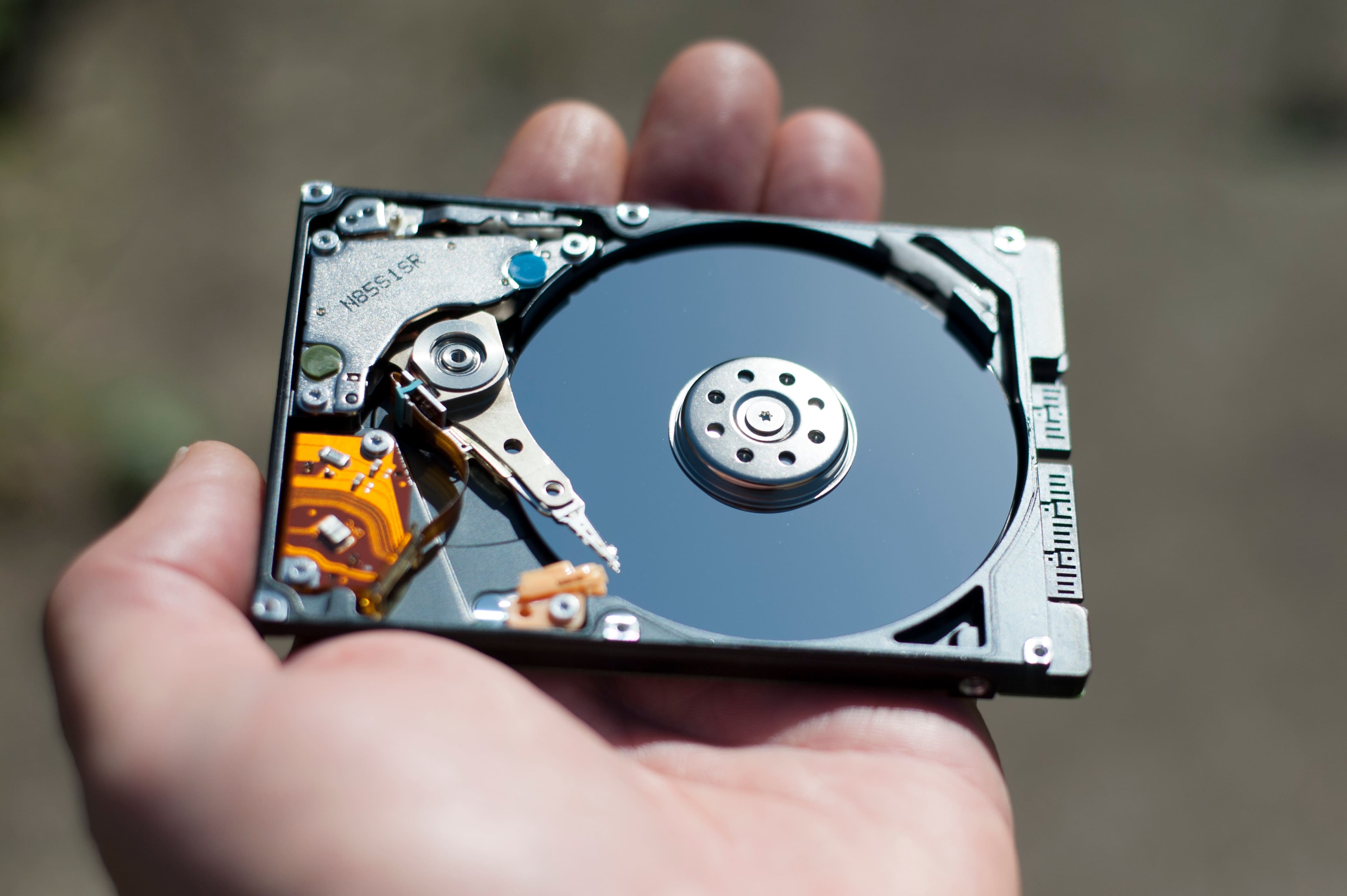
An HDD stores information on spinning magnetic platters, so a strong degausser can disrupt the magnetic domains and render the data unreadable. An SSD stores data in memory chips, which behave very differently, and that means a magnetic field does not solve the problem in the same way.
If you treat both devices as if they respond to the same method, you create a false sense of security, and that is often more dangerous than a visible weakness because it goes unnoticed until after the device has left your control. This is why we begin with media identification and then match the destruction path to the device type.
- For HDDs, that may include degaussing followed by physical destruction for dual assurance.
- For SSDs, physical destruction becomes central, because the objective is not merely to disable the unit but to destroy the memory components so recovery is no longer realistic.
Why Degaussing Alone Will Not Protect SSD Data
Degaussing remains one of the most effective tools available for magnetic media, and in the right context it is an excellent solution. We provide professional HDD degaussing services precisely because certain organisations require a high-assurance method for magnetic drives and tapes, especially when internal policy or data sensitivity demands a stronger sanitisation layer before final destruction. Yet the strength of degaussing for HDDs is also what makes its limitation with SSDs so important to understand.
An SSD is not storing data magnetically, so relying on degaussing alone misses the structure of the device itself. The drive may end up unusable in a practical sense, though unusable is not the same as securely sanitised.
For a business audience, that distinction matters because compliance depends on defensible process, and defensible process depends on choosing a method that is appropriate to the media involved. That is why SSD disposal should include physical destruction, such as shredding, crushing, or puncturing, so the memory chips themselves are compromised rather than merely retired.
What Proper Hard Disk Disposal Should Include
A credible disposal process should be more than a truck, a box, and a promise. It should give you visibility, documentation, and confidence at every stage, because secure destruction is only as strong as the chain around it.
At Vision Green, a proper hard disk disposal process typically includes:
- Identification of HDDs, SSDs, and other data-bearing media
- Secure collection and documented chain of custody
- Locked transport with GPS tracking
- CCTV-monitored handling
- The right destruction method for the device type
- Optional witnessed destruction for sensitive projects
- Certificate of destruction and supporting records
- Responsible recycling through compliant e-waste channels
When those elements are present, the process becomes easier to defend internally and externally. Your IT team has clarity, your compliance team has records, and your management team has assurance that the project did not trade security for convenience. That is also why certifications matter.
We maintain the certifications and operational controls businesses expect to see in this space, including NEA licensing and recognised standards such as R2v3, ISO 9001, ISO 14001, ISO 45001, and BizSAFE, because proper disposal should stand up not only in practice but also on paper.
On-site vs Off-site Destruction: Which Should You Choose?
The right answer depends on what you are protecting, how much media you are disposing of, and how closely your business needs to observe the process. If your organisation handles highly sensitive material, on-site destruction often provides the strongest sense of control.
Our mobile shredding units come to your premises, where drives can be destroyed before anything leaves the site. Because the process can be witnessed by your team, it reduces transit concerns and supports internal requirements for immediate assurance.
We have also designed our mobile shredding service to be office-friendly, so secure destruction can be carried out with minimal disruption to a live working environment.
Off-site destruction, by contrast, is often the better fit when you are managing larger volumes. Drives are securely collected, sealed, transported under controlled conditions, and processed at our access-controlled facility, which is supported by 24/7 CCTV surveillance and metal detectors.
That environment allows for industrial-scale shredding and efficient processing, while preserving the documentation and security controls that matter for audit and governance. If you are planning a data centre decommission, device refresh, or bulk IT asset disposal exercise, off-site destruction can give you the right balance of scale, security, and efficiency.
Before You Dispose of Any HDD or SSD
Before any device enters the destruction workflow, it is sensible to review what should happen first. You should confirm that required data has been backed up, that active accounts have been logged out, and that the devices earmarked for disposal are clearly separated from equipment that is still in service.
That sounds straightforward, though in practice it is often where avoidable mistakes occur, particularly when several departments are involved and nobody has final ownership of the asset list.
A little discipline at this stage makes the rest of the project cleaner. It prevents accidental disposal, improves inventory accuracy, and allows the destruction method to be planned properly from the outset. Once the devices are identified and the project scope is clear, the disposal exercise becomes far more controlled, and control is what secure disposal is ultimately built on.
What to Look For in a Disposal Partner
If you are evaluating a provider, ask how they handle HDDs versus SSDs, whether they offer both on-site and off-site destruction, how they maintain chain of custody, and what records you will receive at completion.
Ask how the materials are recycled afterwards, because secure destruction and responsible recycling should sit in the same workflow rather than in separate promises.
You should also look for a provider with visible operational depth. In our case, that means degaussing, shredding, crushing, and piercing capabilities; secure transport; real-time monitoring; immediate documentation where required; and a process built for Singapore businesses that cannot afford guesswork.
When a provider can explain not only what they do but why each method applies to each media type, you are dealing with expertise rather than generic disposal language, and that difference tends to show up where it matters most: in the outcome.
If your business is planning a disposal exercise, the safest approach is to treat the drive type, the data sensitivity, and the destruction method as one connected decision. HDDs and SSDs may sit side by side in storage, though they should not be treated as if they carry the same technical risk, because once disposal begins, the quality of that decision becomes the quality of your protection.
Not sure which disposal method is right for your devices? Speak with the Vision Green team. Whether you are managing a single batch of drives or planning a full IT asset disposal exercise, we will help you match the right process to your media type, your data sensitivity, and your compliance requirements.
Frequently Asked Questions
Can hard drives be recycled in Singapore?
Yes, hard drives can be recycled in Singapore, but the route depends on the device and the level of data sensitivity involved. The National Environment Agency (NEA) states that portable hard disks can be disposed of through designated e-waste recycling bins. For business devices that hold confidential data, secure destruction should come before recycling so the drive is not simply diverted into a general e-waste stream.
Do I need to erase data before recycling a hard drive in Singapore?
Yes, that is the safest approach, especially for public recycling channels. The public is advised to erase all data on storage devices before dropping them off for recycling, while qualified recyclers then apply their own data sanitisation processes. For organisations handling sensitive records, relying on documented destruction is usually a stronger and more defensible standard than basic user deletion alone.
Where can portable hard disks be disposed of in Singapore?
According to NEA, portable hard disks can be dropped at designated bins across Singapore. These bins are part of the broader e-waste collection network for smaller electronic items such as thumb drives and SD cards. If the device contains confidential business data, a secure destruction provider is generally more appropriate than a standard public drop-off point.
Can households use the same hard disk disposal options as businesses in Singapore?
Not always. Households can use public recycling channels such as e-bins, collection drives, retailer take-back, and in some cases doorstep collection, while businesses often need a higher-control process because of audit, governance, and data protection requirements. If a device contains personal or commercial data, business disposal usually calls for documented sanitisation or destruction rather than ordinary consumer recycling.
Do I need a certificate of destruction for hard disk disposal in Singapore?
A certificate of destruction is not the only control that matters, but it is an important record for compliance and internal audit purposes. Ideally, the certificate should sit alongside chain-of-custody records and other proof that a systematic destruction process was followed. For organisations disposing of sensitive drives, this kind of documented evidence is a practical baseline rather than a nice-to-have.