ITAD Services in Singapore for SMEs: A Practical Guide to Disposing of Office IT Equipment
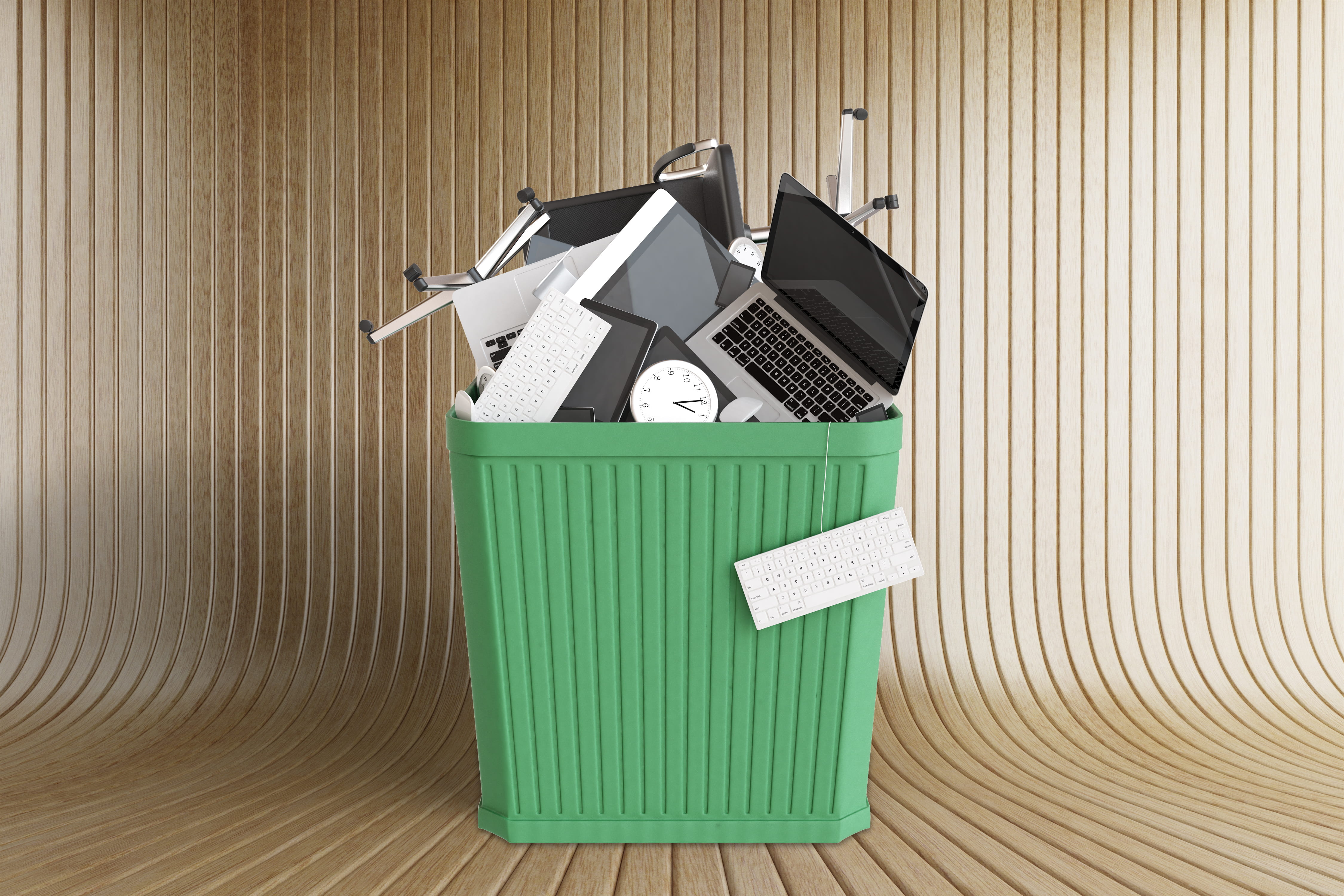
If you are searching for ITAD services in Singapore, you are probably dealing with a familiar business problem that rarely feels urgent until it suddenly is. Old laptops start piling up in a storeroom, a server refresh leaves retired hardware in a corner of the office, and a few hard drives remain in circulation long after the people who used them have left the business.
What looks like a housekeeping issue often carries a deeper risk, because the moment office IT equipment reaches the end of its useful life, you are no longer just managing clutter. You are managing data exposure, compliance obligations, and the environmental impact of disposal.
For SMEs in Singapore, that challenge tends to be sharper rather than smaller. You may not have a large IT team, a dedicated compliance function, or the time to build an in-house disposal workflow from scratch, yet you are still expected to handle retired equipment properly. That is exactly where a structured ITAD approach matters.
At Vision Green, we help businesses dispose of office IT equipment through secure collection, certified data destruction, auditable reporting, and responsible recycling, so you can protect what matters without turning a routine refresh into an operational burden.
Key Takeaways:
- ITAD services in Singapore help SMEs dispose of retired IT equipment securely, with proper data protection, auditable reporting and responsible recycling.
- Old laptops, servers, drives, phones and printers can still hold sensitive business data, so informal disposal creates avoidable compliance and security risks.
- A practical ITAD process starts with identifying retired assets, separating data-bearing devices, choosing the right disposal path and maintaining chain of custody throughout.
- The right ITAD partner should offer certified data destruction, clear documentation, traceable handling and environmentally responsible disposal suited to Singapore business standards.
What ITAD Actually Means for Your Business
IT asset disposition, or ITAD, is the structured process of retiring obsolete IT equipment in a way that protects data and supports environmentally responsible recycling. In practice, that means more than removing devices from your premises. It means identifying what still holds data, deciding what can be sanitised, what should be physically destroyed, what still carries residual value, and what must move into approved recycling channels.
For SMEs, the practical value of ITAD lies in control. Once a laptop, server, SSD, mobile phone, or backup drive is no longer in use, it does not become harmless by default. In many cases, it continues to store sensitive customer, employee, financial, or internal business information.
If that equipment is passed along casually, sold without proper sanitisation, or discarded without documentation, the risk does not disappear with the device. It simply becomes harder to see, and therefore harder to manage.
That is why we approach ITAD as a complete process rather than a one-off removal job. We build visibility into every stage, from secure pickup and off-site recording to data sanitisation, asset evaluation, and certification, because disposal should leave you with certainty, not unanswered questions.
Why SMEs in Singapore Cannot Afford to Treat Disposal Casually
Smaller businesses sometimes assume that formal disposal processes are only necessary for banks, healthcare groups, or large enterprises. In reality, SMEs often face the same categories of risk with fewer internal resources to absorb a mistake.
A retired office laptop may still contain payroll data, client contracts, invoices, login credentials, or years of stored correspondence. A printer or multifunction device may retain scanned records. An old NAS unit or office server may hold far more business history than anyone remembers.
In Singapore, that matters because your responsibility for personal data does not end when a device is switched off or removed from service. You still need to ensure that data-bearing equipment is handled securely and disposed of in a way that supports compliance, internal governance, and sound record-keeping.
The disposal process also needs to align with wider environmental expectations, especially as businesses place greater weight on sustainability and ESG reporting.
When you look at it that way, ITAD becomes less about disposal in the narrow sense and more about business discipline. A clear disposal workflow protects your data, supports your audit trail, frees up valuable space, and ensures that retired equipment does not quietly become a liability.
What Office IT Equipment Usually Needs ITAD Attention
Most SMEs are dealing with more data-bearing equipment than they first realise. The list often includes:
- Laptops and desktops
- Servers and storage arrays
- Hard drives and SSDs
- Mobile phones and tablets
- Printers and multifunction devices
- Network switches, routers, and firewalls
- Backup tapes, external drives, and removable media
- Point-of-sale systems and other business devices
Some of these assets may be suitable for reuse, parts harvesting, or value recovery. Others need certified destruction. The difference usually depends on the type of storage involved, the sensitivity of the data, the condition of the asset, and your internal risk threshold.
The Common Mistakes that Create Unnecessary Risk
The biggest disposal problems rarely begin with bad intent. They begin with delay, assumption, and a lack of process.
Many businesses hold onto obsolete hardware for too long because no one has time to review it properly. That backlog grows, the asset list becomes unreliable, and eventually the business is left with a room full of devices that no one wants to touch.
In other cases, staff assume that deleting files, reformatting a drive, or performing a factory reset is enough. It often is not — what appears empty to the user may still be recoverable without the right destruction or sanitisation method.
Another common issue is treating all equipment the same. A monitor without storage does not carry the same risk as a laptop or SSD, yet mixed disposal frequently leads to poor handling decisions.
The same happens when businesses focus only on removal, without asking what documentation they will receive afterwards. If there is no clear chain of custody, no serial-number capture, and no certificate of destruction or recycling, the process may look complete while still leaving a compliance gap behind it.
A Practical ITAD Process for Your SME
The most effective disposal programmes are usually the simplest. What matters is that each step is deliberate, documented, and suited to the assets in front of you.
1. Identify what is being retired
Start with a basic asset list. You do not need a perfect enterprise system to do this well, but you do need visibility. Record the device type, location, user or department, condition, and whether it contains storage media.
2. Separate data-bearing from non-data-bearing equipment
This step changes everything. Once you distinguish between general office hardware and devices that store data, you can apply the right handling controls from the start.
3. Decide the right path for each asset
Not every retired asset needs the same outcome. Some equipment can be sanitised and repurposed. Some may qualify for asset recovery. Others, particularly high-risk storage media, are better suited to degaussing or physical destruction.
4. Secure the chain of custody
This is where process quality becomes visible. At Vision Green, we support secure pickup, GPS-tracked transportation, locked security-sealed containers, and off-site recording with asset tagging and serial number capture, because what happens between your premises and final processing matters just as much as the destruction method itself.
5. Complete destruction, recycling, and reporting
Once the equipment is processed, you should receive documentation that closes the loop properly. That usually includes certificates of data destruction, recycling certificates, and inventory-based reporting that shows what was handled and how.
Data Wiping vs Physical Destruction
This is often the decision point that confuses SMEs, because the safest answer depends on the device, the storage type, and the sensitivity of the data.
If an asset still has reuse or recovery value, certified data sanitisation may be appropriate. That allows you to remove data securely while preserving the asset for resale, redeployment, or parts harvesting. If the storage media is highly sensitive, damaged, or unsuitable for sanitisation, physical destruction is often the better route.
The distinction matters even more when you compare HDDs and SSDs. Traditional hard disk drives can be processed through methods such as degaussing or shredding. SSDs and other flash-based storage devices, however, require physical destruction to ensure that every memory chip is rendered unreadable.
That is why we offer both hard disk and SSD destruction solutions as part of a broader ITAD workflow, rather than forcing every device into the same disposal method.
What You Should Look For in an ITAD Partner
When you evaluate ITAD support, cost should never be the first question on its own. A cheaper process that leaves gaps in security, reporting, or recycling can become expensive in ways that do not show up on a quote.
You should look for a provider that can demonstrate clear chain-of-custody controls, recognised destruction methods, and proper certification.
That typically means relevant NEA licensing and robust management systems, while internationally recognised standards such as ISO 9001, ISO 14001, ISO 45001, R2v3, and Singapore’s BizSAFE also demonstrate that the provider has been audited against quality, environmental, occupational health and safety, and responsible recycling standards. Just as important, the provider should be able to issue detailed documentation, including destruction dates, methods used, and serial-number-based records where required.
At Vision Green, we built our ITAD services around that level of accountability. Our role is not simply to collect obsolete equipment. It is to give you a secure, traceable, and sustainable disposal pathway that stands up to scrutiny long after the hardware has left your office.
Make ITAD Part of Smarter Business Operations
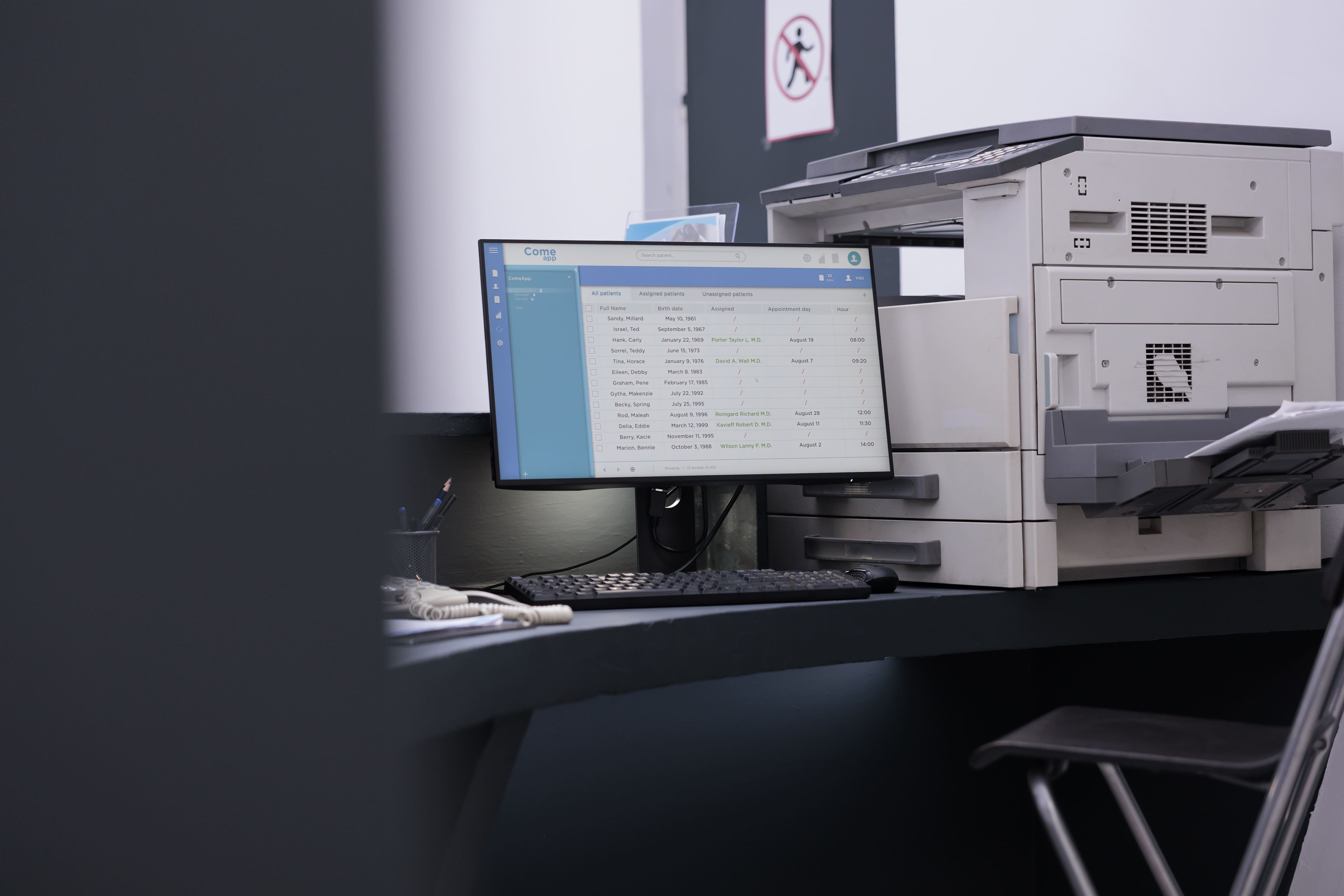
A well-run ITAD process protects more than data. It brings greater operational clarity to your business, reduces unnecessary storeroom congestion, and helps your IT and admin teams move through refresh cycles with less friction. At the same time, it supports the circular economy by ensuring that recoverable materials and components are handled responsibly rather than lost through informal disposal routes.
That wider impact is easy to underestimate, yet it is often where a mature disposal process creates the most lasting value. When you know exactly what assets are being retired, how they are being handled, and what documentation you will receive at the end, disposal stops feeling like a reactive clean-up exercise and starts functioning as part of good business management.
For SMEs in Singapore, that is the more practical way to approach ITAD. You do not need a process that is overly complex, but you do need one that protects your data, supports your compliance obligations, and reflects the standard expected of modern businesses managing e-waste responsibly. When that process is designed properly, it removes uncertainty from the moment your equipment reaches end of life, which is often the point where certainty matters most.
If you are planning an office IT refresh, clearing out retired equipment, or looking for a more secure way to manage end-of-life devices, speak with us at Vision Green. We can help you put in place a disposal process that is secure, auditable, and practical for your business in Singapore.
Frequently Asked Questions
Do ITAD services in Singapore support office-wide collections and clear-outs?
Yes. Some Singapore providers state that they handle business collections, office clearances and bulk equipment disposal, which is useful during relocations, upgrades and larger refresh cycles. For SMEs, that means retired equipment can be removed in a controlled batch instead of building up in storage rooms.
Can ITAD providers collect laptops from remote or departing employees?
Yes. ITAD services in Singapore often include departing user collection, where retired laptops and devices are retrieved directly from staff, including work-from-home setups. This helps firms recover company assets, protect data during offboarding and reduce the operational burden on internal teams.
Do ITAD services in Singapore include data centre decommissioning?
Yes. Some providers position data centre decommissioning as part of their ITAD offering, covering asset reconciliation, secure unmounting, removal of legacy cables and data wiping. This is useful for businesses retiring server environments because it combines technical removal with secure data handling and compliant disposal.
Can retired IT equipment be donated through an ITAD programme?
In some cases, yes. Certain Singapore providers offer CSR donation programmes where equipment is securely wiped, software is reinstalled and suitable recipients are identified. This allows organisations to support sustainability and community goals without compromising data security.
Can ITAD services help with relocation or redeployment instead of disposal?
Yes. Some providers also offer asset relocation and redeployment, including de-installation, professional packing, secure transit and re-installation at a new site. This is relevant when equipment still has business value and needs to be moved safely rather than destroyed or recycled immediately.