Can ITAD Services in Singapore Recover Value From Retired Devices?
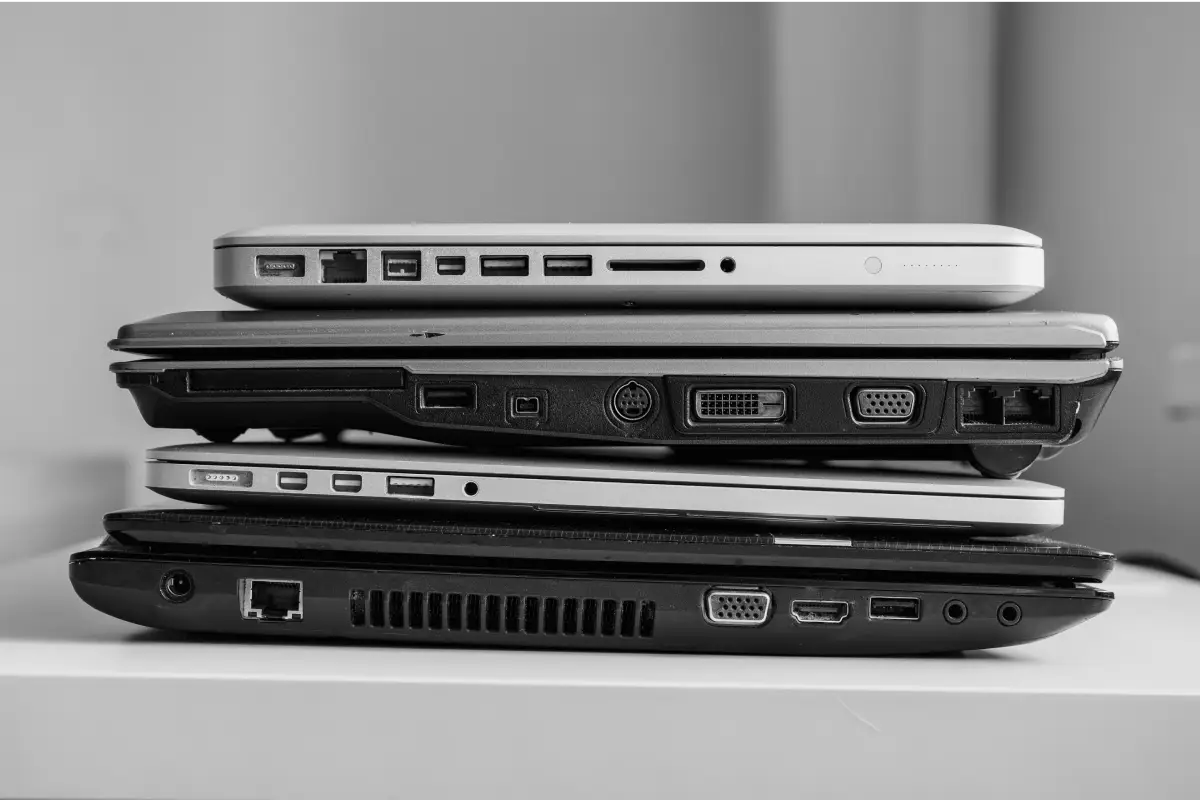
When businesses upgrade laptops, retire servers, replace storage devices, or shut down old infrastructure, those assets often end up sitting in storerooms or being treated as waste too early.
In reality, many retired devices still hold financial value, whether through resale, refurbishment, parts harvesting, or material recovery. That is why more companies are turning to ITAD services in Singapore to handle retired IT assets in a secure, compliant, and cost-effective manner.
A professional ITAD provider does more than remove unwanted equipment. It helps protect sensitive data, maintain a documented chain of custody, support environmental goals, and identify opportunities to recover value from devices that are no longer useful to your business.
In this article, we explore how ITAD services in Singapore help businesses recover value from retired IT assets, a need your business might also face.
Key Takeaways
- Retired laptops, servers, storage devices, and networking equipment can still hold value through refurbishment, resale, buyback programmes, and material recovery.
- Value recovery only works when data-bearing devices are securely sanitised or destroyed before reuse, recycling, or disposal.
- In Singapore, businesses should look for ITAD providers that understand data protection obligations, maintain audit trails, and support compliant e-waste handling.
- The earlier you assess retired IT assets, the better your chances of recovering value before depreciation and storage damage reduce returns.
What Are ITAD Services in Singapore?
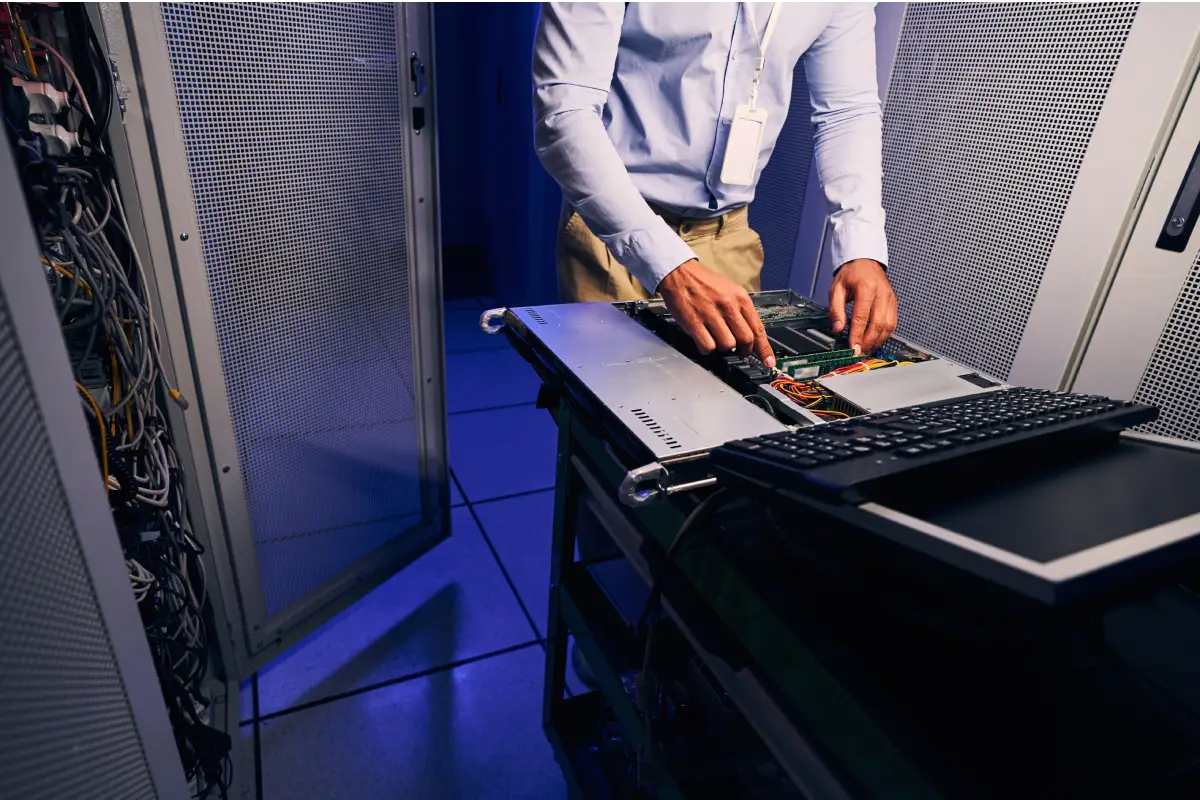
ITAD stands for IT Asset Disposition. In simple terms, it refers to the secure and responsible handling of retired or end-of-life IT equipment, including laptops, desktops, servers, hard drives, storage arrays, and networking devices.
A proper ITAD process covers collection, inventory logging, data sanitisation or destruction, value recovery, recycling, and reporting.
For businesses in Singapore, ITAD is not just about clearing space. It is about protecting confidential information, reducing compliance risk, and recovering value wherever possible.
Vision Green’s ITAD services in Singapore, for example, includes secure collection, asset recording, certified data sanitisation, value maximisation, and certification for completed work.
How ITAD Services Recover Value From Retired Devices
ITAD services in Singapore can recover value from retired devices, but the amount depends on the condition and marketability of the assets.
Value can typically be recovered through:
- Refurbishment and remarketing for devices that are still functional
- Buyback or revenue-sharing programmes for eligible assets
- Parts harvesting from devices that are no longer suitable for full resale
- Responsible recycling to recover raw materials from end-of-life equipment
This is what sets professional ITAD apart from simply disposing of old equipment as scrap. Providers with remarketing capabilities can assess devices by tier, identify which assets remain commercially viable, and direct them to the most suitable recovery path.
Some also use secondary market channels to improve returns, particularly for enterprise hardware from established brands.
The same principle applies to non-resellable assets. A damaged server may not have resale value, but its components or recyclable materials may still contribute to overall recovery.
In other words, the goal of ITAD is not only to determine whether a device can be reused, but also how much value can still be recovered securely and responsibly.
What Affects the Recovery Value of Retired IT Assets?
The recovery value of retired IT assets depends on several practical factors. In most cases, providers will assess:
- Age of the device — newer equipment usually retains stronger resale value
- Condition — working devices with minimal damage are generally worth more
- Brand and model — well-known enterprise brands often perform better in secondary markets
- Quantity available — larger batches can be easier to process and remarket
- Market demand — some device types hold value longer than others
- Completeness — original accessories, cables, rails, or adapters can improve value
- Storage history — devices kept unused for too long may depreciate further
Timing also matters. The sooner retired assets are assessed after an upgrade or refresh cycle, the better the chances of recovering value before depreciation reduces returns.
Just as importantly, proper asset logging and documentation can support a smoother recovery process. Clear inventory records, serial number capture, and a documented chain of custody help providers assess assets accurately and process them more efficiently.
How the ITAD Process Works
.webp)
A standard ITAD programme begins with secure collection and asset tracking, so the business knows exactly what equipment has been removed and where it is in the process.
Next, any data-bearing devices are sanitised or destroyed before further handling, which is a critical step for laptops, desktops, servers, and storage media.
Once that is done, the equipment is assessed for refurbishment, remarketing, parts recovery, or certified recycling, depending on its condition.
At the end of the process, the provider issues reports or certificates to document how the assets were handled, providing the business with a clear, auditable record.
Why Singapore Businesses Need Certified ITAD Providers

Singapore businesses cannot afford to treat device retirement casually. The disposal of data-bearing devices has implications for data security, operational governance, and environmental responsibility.
At the same time, secure sanitisation matters because retired devices often contain customer, employee, financial, or operational data. NIST SP 800-88 exists precisely to guide organisations on how to render data unrecoverable before media is reused, recycled, or disposed of.
That is why certifications and process controls matter.
Trust signals, such as secure chains of custody and destruction certificates, help businesses evaluate whether a provider is equipped to properly manage retired assets.
What to Look for in an ITAD Provider in Singapore
Choosing an ITAD provider is not just about finding someone to remove old equipment. Here’s a checklist you can use to ensure you’ll choose the most reliable ITAD services in Singapore:
- Is the process clearly defined, from collection and asset logging to data destruction, recovery, recycling, and final reporting?
- Can the provider support onsite destruction, offsite destruction, or both, depending on the project?
- Does it offer options for reuse, buyback, resale, or value recovery where suitable?
- Will it provide certificates and reports at the end of the process?
- Can it handle different types of retired equipment, from office laptops to servers, storage, and networking hardware?
- Does it have experience with larger refreshes, relocations, or decommissioning projects?
- Can it provide secure transport and audit-ready documentation for sensitive assets?
Using a checklist like this makes it easier to compare providers on process quality, security, and reporting, not just convenience or price. That is especially useful when the project involves sensitive data, high-value assets, or larger volumes of equipment.
FAQs
What devices can ITAD services in Singapore handle?
Most ITAD providers handle laptops, desktops, servers, hard drives, storage devices, networking equipment, and other business IT assets that need secure retirement, reuse, recycling, or destruction.
Can old laptops and servers still have resale value?
Yes. Devices that are still functional and in reasonable condition may be refurbished and remarketed. Even if full resale is not possible, parts or materials may still have recovery value.
Why is data destruction so important in ITAD?
Retired devices often hold sensitive data. Before any reuse, resale, recycling, or disposal, storage media should be sanitised or destroyed in accordance with recognised standards to prevent data recovery.
What certifications should businesses look for?
Useful trust signals include R2v3, ISO 9001, ISO 14001, ISO 45001, documented chain of custody, and certificates of destruction or recycling.
Can damaged or obsolete devices still return some value?
Yes. Even when devices are too old or damaged for resale, they may still offer value through parts harvesting or material recovery as part of a responsible recycling process.
Turn Retired IT Assets Into a Safer, Smarter Outcome
Retired devices do not always have to become a sunk cost. With the right ITAD strategy, businesses can protect data, support sustainability goals, and recover value from assets that retain commercial or material value.
That is especially important in Singapore, where secure handling, documentation, and responsible e-waste practices matter just as much as operational efficiency.
If your business is planning a refresh, decommissioning project, or secure disposal exercise, explore Vision Green’s ITAD services in Singapore to assess whether its processes align with your security, compliance, and recovery goals.