6 Ways Laptop Recycling Services in Singapore Reduce Environmental Impact
Laptops have become an essential part of both our personal and professional lives. Yet, as technology evolves, these electronic devices often become obsolete, broken, or underutilised, contributing to the growing e-waste problem Singapore faces.
Improper disposal of old electronics not only threatens environmental sustainability but also poses risks to human health due to toxic chemicals present in laptops. Fortunately, laptop recycling services in Singapore provide a solution that addresses both environmental responsibility and data security, ensuring that discarded devices are handled with care.
Through proper e-waste recycling and laptop recycling services in Singapore, valuable materials can be extracted from discarded laptops, fostering a circular economy. By partnering with certified recycling partners like Vision Green, individuals and businesses can recycle e-waste responsibly for a more sustainable future.
Key Takeaways
- Laptop recycling conserves valuable materials. Components such as PCBAs, storage devices, and batteries contain metals and plastics that can be recovered, reducing the need for raw material extraction.
- Recycling reduces environmental hazards. Proper handling of lithium-ion batteries and other electronic components prevents toxic chemical leaching into soil and water.
- Supports a circular economy. Refurbished laptops and recovered parts extend device lifespans, making electronics more accessible while reducing e-waste accumulation.
- Minimizes energy use and emissions from manufacturing. Reusing components and refurbishing laptops saves the energy and resources otherwise required to produce new devices.
- Promotes societal benefits and accessibility. Recycled and refurbished laptops can supply schools, community centres, and underprivileged groups, supporting education and digital inclusion.
The Laptop E-Waste Problem in Singapore
Singapore faces a growing e-waste problem, with electronic waste comprising a significant portion of its total waste stream. As of 2018, Singapore generates 60,000 tonnes of e-waste annually. That's equivalent to four laptops for each Singaporean.
Because of this, the National Environment Agency (NEA) introduced the Extended Producer Responsibility (EPR), which required that retailers supplying consumer electronics provide a take-back of consumer electronics for disposal at no cost to the consumer. Through this policy, the NEA aims to make recycling and proper disposal of e-waste more accessible.
It’s therefore crucial that both individuals with personal electronics and organisations placing bulk laptop orders contribute to the green initiative. Laptops are highly recyclable devices, since each part can still find a ton of use in the right hands.
What Components in a Laptop Can Be Recycled
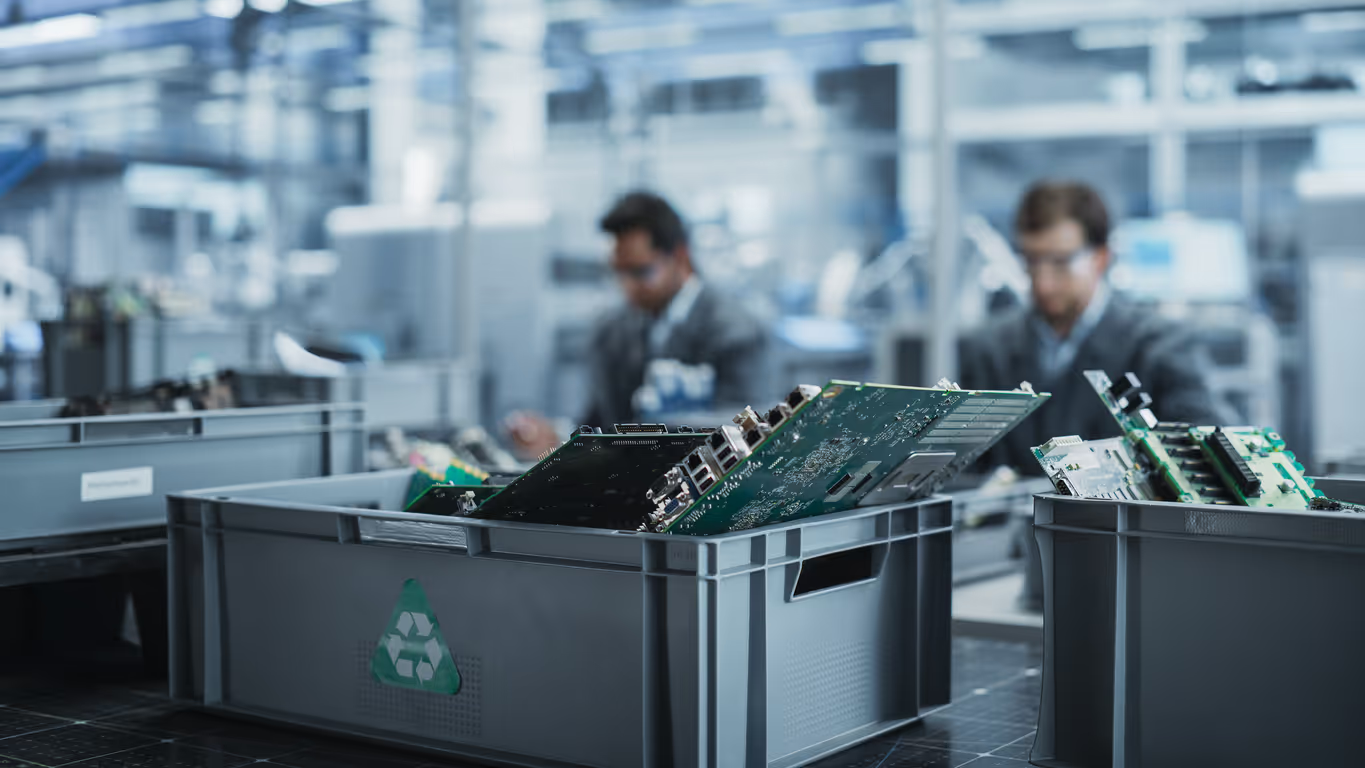
Laptops contain multiple components that can be extracted and repurposed through proper recycling processes.
Very often, we dispose of non-functioning laptops that have failed due to a faulty, culprit component (e.g., the PCBA). However, although the laptop has ceased to function, its other components remain fully usable.
The components in a laptop that can be recycled include, but are not limited to, the following:
PCBA
The printed circuit board assembly (PCBA) is the main electronic board in a laptop that contains all the mounted components. This includes chips, resistors, capacitors, and connectors, which allow the device to function. It acts as the laptop’s central nervous system, enabling communication between parts and systems so the entire machine can operate.
As such, the PCBA contains valuable material, such as:
- Copper, gold, and silver.
- Resistors, capacitors, diodes, and transistors that can be repurposed for other electronics.
- Connectors, switches, LEDs, and sensors for various engineering uses.
Through responsible e-waste management, recycling partners can extract valuable materials and reduce the need to mine for new materials.
If the PCBA is still intact and testable, it can be utilised to create new or makeshift electronics, such as phones, computers, and calculators.
Storage Devices
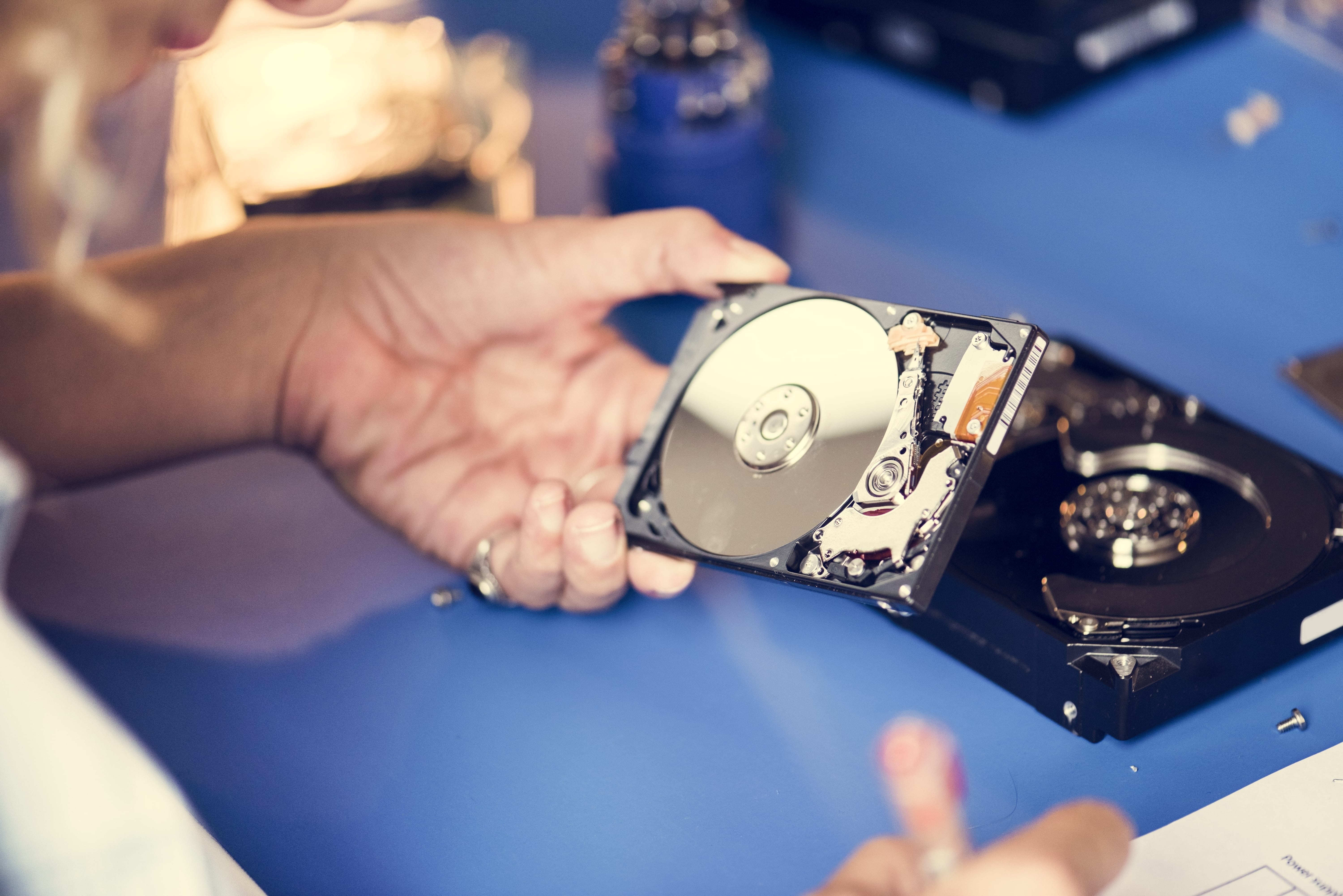
Storage devices in laptops are hardware components that store information, holding the system’s data, files, applications, and operating system. They come in hard disk drives (HDDs) or solid state drives (SSDs).
These memory banks from previously-owned laptops store sensitive data and must undergo secure data destruction. Data wiping and physical destruction are essential to prevent data breaches and identity theft. Improper disposal can lead to data breaches and leaks.
In addition, processing memory devices through capable recycling plants allows these components to be harvested for their raw metals.
There are instances, however, where laptops' storage devices, although faulty, are still recoverable. Recycling storage devices helps produce more available memory devices, which are all the more crucial in today's memory-hungry AI age.
Battery
Batteries power a laptop. These are integral components that all electronics have; otherwise, they wouldn't function.
Batteries can be harvested for:
- The black mass inside batteries can be refined and processed to retrieve metals such as lithium, cobalt, nickel, and manganese.
- Batteries' casings are made of either aluminum, steel, or plastic, which can be recycled.
Laptop batteries, especially lithium-ion types, pose significant environmental hazards if disposed of improperly. Lithium-ion recycling involves the safe extraction of black mass, preventing fire hazards in landfills.
Also, in many instances, the batteries still work, even on a laptop whose PCBA has failed. These batteries may be recycled and used as power sources for other electronics.
Environmental Impact of Reduced Manufacturing Emissions
Recycling laptops reduces the demand for new manufacturing, which in turn lowers carbon emissions and energy consumption associated with producing new electronic devices.
Environmental Impact 1: Lower Carbon Footprint from Recycled Materials

By recycling laptops, manufacturers can source recovered metals and components rather than relying solely on mining for raw materials.
This tremendously reduces the carbon footprint associated with mining and refining new materials. Responsible e-waste recycling ensures that valuable resources are reintegrated into production cycles, promoting sustainable practices and contributing to environmental sustainability, while also meeting consumer demand.
Environmental Impact 2: Energy Savings Through Refurbishment and Reuse
Recycling laptops also allows for the refurbishment and reuse of electronic devices, saving significant amounts of energy that would otherwise be consumed in manufacturing new devices.
Manufacturing plants consume significant energy and can emit substantial emissions. Through proper recycling processes, laptops can be restored for resale or repurposed, reducing environmental impact and supporting a greener future.
Environmental Impact of Reduced Mining
Mining for raw materials to produce laptops can cause severe environmental degradation. Recycling laptops reduces the need for extensive mining operations.
Environmental Impact 3: Conservation of Natural Resources and Ecosystems
Recycling laptops yields valuable components such as copper, gold, and other metals. This eliminates the need to mine for new resources, conserving natural resources and minimising ecosystem disruption.
Remember, the resources we mine for electronics are finite. As such, conserving them and utilising them to their fullest extent (e.g., buying refurbished laptops, recycling unused components) reduces the need to mine for these metals.
Extended producer responsibility (EPR) programs encourage manufacturers to recover materials from discarded devices, promoting environmental responsibility and sustainable practices.
Environmental Impact 4: Reduction in Water and Soil Pollution from Mining Activities
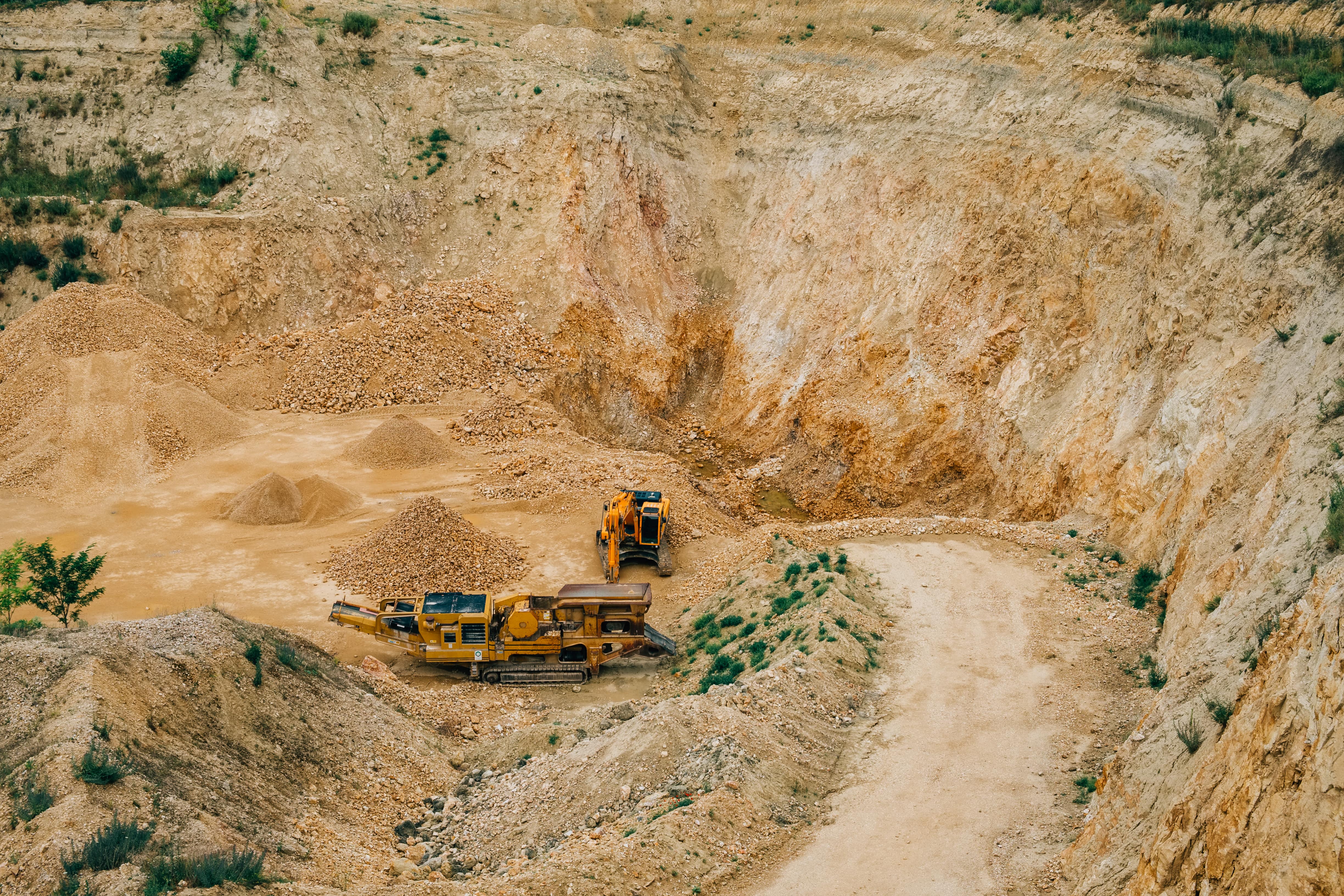
Mining contaminates the air, water, and soil with metals, resulting in hazardous pollution that can affect nearby communities. As such, mining is regulated by environmental groups to ensure the welfare of nearby communities, neighbourhoods, and the environment as a whole.
By properly recycling laptops, the need to mine is reduced. In turn, this suppresses environmental degradation and health hazards associated with it.
Environmental Impact of Reduced E-waste in Landfills
Reducing the amount of e-waste that ends up in landfills mitigates the release of hazardous substances into the environment.
Environmental Impact 5: Prevention of Toxic Chemical Leaching
Lithium-ion batteries and other laptop components contain hazardous chemicals. Improper e-waste disposal can lead to toxic fumes and fire hazards, particularly in landfill conditions. By recycling laptops, hazardous materials are safely managed, preventing chemical leaching, air pollution, and health risks to communities.
Environmental Impact 6: Minimisation of Landfill Space Usage and Waste Accumulation
Laptop recycling reduces the volume of bulky e-waste, conserving landfill space and promoting responsible e-waste management.
Proper recycling processes ensure that electronic devices are reutilised, whether for their utility as electronics or as raw materials. These recycling efforts keep laptops out of landfills and on shelves.
Societal Benefits of Laptop Recycling
Beyond environmental impact, recycling laptops provides tangible societal benefits, supporting both consumers and the broader community.
Laptop Recycling Increases Longevity and Lifespan of Newly-bought Laptops

More often than not, consumers store or discard perfectly usable electronics they no longer need. By responsibly recycling outdated electronics, laptops—many of which may still be usable—find new life with another owner rather than being left to decay in a landfill. This maximises the lifespan of a laptop, allowing these electronics to be utilised to their fullest potential.
Laptop Recycling Increases Part Availability for Third-Party Repairs
Recycling laptops creates a pool of valuable components, making third-party repair services more accessible. This reduces waste, lowers costs for consumers, and fosters a culture of environmental responsibility.
Making repairs more accessible also reduces the need to buy new devices each time a repair is needed. As a result, it makes owning and holding onto devices more practical.
Laptop Recycling Makes Devices More Accessible
Refurbished and resold laptops make access to school, office, and business devices much more accessible. A refurbished laptop can be sold for as little as half the price of its brand-new counterpart.
A circular economy that promotes sustainability and device longevity gives the less fortunate the tools they need to sustain themselves in today’s digital age. This promotes a welfare-centred community, ensuring no one gets left behind on the technological curve.
When Should a Laptop Be Recycled
Laptops are recycled for various reasons; sometimes it’s due to water damage, other times, they’re just too sluggish. Indicators that laptops need to be recycled include:
Planned Obsolescence
Many laptops reach the end of their intended lifecycle due to software updates, hardware limitations, or decreased performance. Unfortunately, while they still have some use, they may no longer serve their intended purpose, especially for corporate accounts.
Recycling ensures that these devices find new, refurbished life in new owners, rather than contributing to the growing e-waste problem.
Irreversible Damage

In some instances, laptops are no longer usable. PCBA failure is the primary culprit of irreversible damage. However, the parts and raw materials of these irreversibly damaged laptops can still be harvested.
Laptops with irreparable hardware failures or damage can be recycled so that their components can be repurposed for society’s benefit. Also, proper recycling prevents hazardous materials from entering landfills.
Unutilised Device
Every technological generation, consumers find themselves at a crossroads—holding onto their old laptop for a few more years or buying a new laptop. They often go for the latter, leaving their old laptop stored away unused.
Rather than allowing these devices to accumulate in storage areas, recycling provides a safe and environmentally responsible disposal option. These unused devices can help supply education and government facilities.
How to Partner with Laptop Recycling Services in Singapore
Partnering with a certified laptop recycling service ensures that electronic devices are handled safely, data is securely destroyed, and materials are recovered efficiently. Here’s how you can get started:
- Step 1: Determine the inventory of laptops to be recycled
- Step 2: Reach out to a capable, NEA-certified laptop recycling company
- Step 3: Arrange for a pickup of laptop inventory
Certified recycling partners, like us at Vision Green, provide comprehensive e-waste collection services, proper recycling processes, and certificates of data destruction, ensuring your contribution to environmental sustainability.
Recycle Laptops with an E-waste Recycling Company in Singapore Today!
Recycling laptops in Singapore is more than just a responsible disposal practice—it’s a step toward a greener, more sustainable future.
By recycling e-waste, individuals and businesses can reduce environmental impact and foster a circular economy for their benefit. It also contributes to a more technologically-forward community, where electronics are accessible and digital opportunities are unlocked for those less fortunate.
Partner with Vision Green, Singapore’s trusted e-waste recycling and ITAD provider, for secure data destruction, component recycling, and efficient material recovery. Contact Vision Green today to schedule your laptop recycling and join the movement toward a greener, cleaner Singapore.
Frequently Asked Questions (FAQs)
Can laptop screens be recycled with the other components?
Yes, screens often contain glass, metal, and plastic layers that can be processed separately for material recovery. They can also be taken for parts.
Are refurbished laptops safe to use?
Refurbished laptops are typically tested, repaired, and quality-checked to ensure functionality and safety before resale.
Can recycled laptop parts be used in new laptops?
Yes, certain recovered metals, components, and PCBA parts can be reused in electronics manufacturing or for creating secondary devices.
How is sensitive data destroyed on recycled laptops?
Data can be erased using software wiping methods or physical destruction of storage devices to ensure privacy and security.
Can damaged batteries be safely recycled?
Yes, even faulty lithium-ion batteries are processed to extract black mass and metals, preventing environmental hazards.
How often should businesses recycle their laptops?
It is recommended to recycle laptops when they become obsolete, irreparably damaged, or no longer in use to prevent the accumulation of e-waste.