What Is Black Mass and Why It Matters in Lithium Battery Recycling
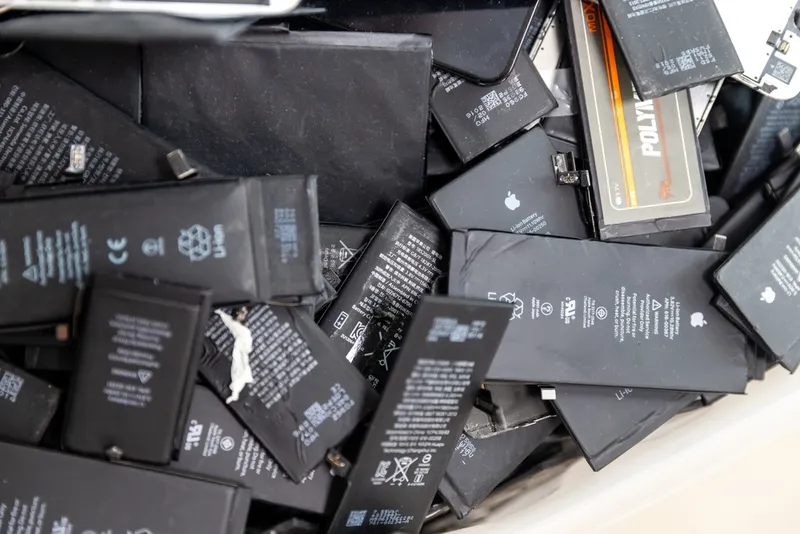
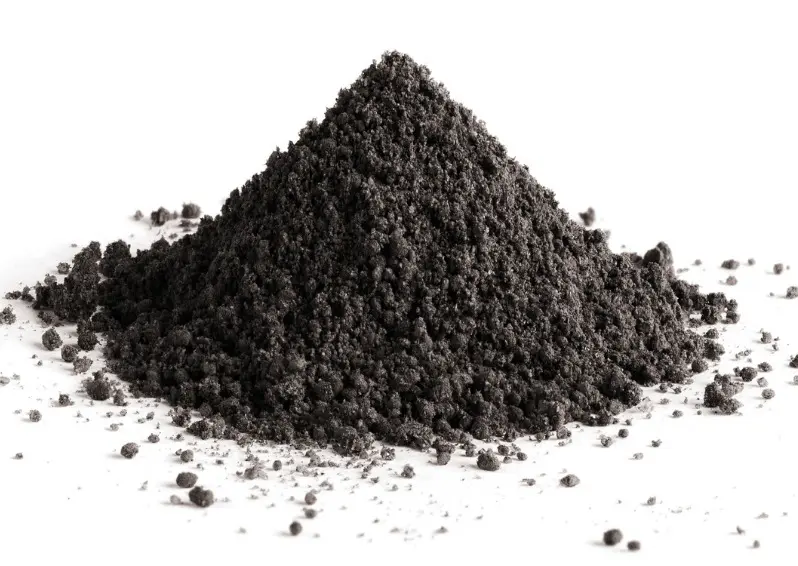
Black mass is the fine, dark material produced after lithium-ion batteries are dismantled, shredded and separated from larger components such as steel, copper, aluminium and plastics.
It contains mixed cathode and anode materials, which may include lithium, nickel, cobalt, manganese and graphite depending on the battery chemistry.
Black mass is not a finished recycled product. Its purity, composition and contamination levels influence how efficiently valuable materials can be recovered during downstream refining.
Professional lithium battery recycling in Singapore helps businesses manage spent batteries safely while supporting material recovery, regulatory compliance and traceable reporting.
Lithium-ion batteries contain valuable materials, but recovering them safely and efficiently requires far more than shredding old battery packs.
In Singapore, where spent industrial batteries are regulated as toxic industrial waste, structured lithium battery recycling has become a critical part of responsible operations for EV, energy storage, electronics and manufacturing businesses.
Each battery must be collected, assessed, discharged, dismantled and separated under controlled conditions before its reusable materials can be recovered.
One of the most important outputs from this process is black mass. This dark, fine material contains a mixture of battery electrode materials and acts as an intermediate feedstock for further recovery.
Professional lithium battery recycling in Singapore helps businesses manage spent batteries safely while keeping useful materials in circulation.
Key Takeaways
- Black mass is the fine electrode material produced after lithium-ion batteries are mechanically processed and larger fractions such as steel, copper and aluminium are separated. It may contain lithium, nickel, cobalt, manganese and graphite, depending on the battery chemistry (typically NMC, NCA or LFP).
- Black mass is an intermediate feedstock, not a finished recycled product; further refining is required before its materials can be reused.
- Composition, purity and contamination levels directly affect downstream recovery yields and commercial value.
- Safe sorting, transport and processing are essential, as lithium-ion batteries may retain energy, are classified as UN3480/UN3481 dangerous goods, and are regulated as toxic industrial waste in Singapore.
What Is Black Mass?
Black mass is the fine, dark mixture left after lithium-ion battery cells have been mechanically processed and separated from larger components such as steel casings, copper, aluminium and plastics.
It mainly contains materials from the battery’s cathode and anode. Depending on the battery chemistry and recycling process, it may also contain residual electrolyte, binders, conductive additives and small amounts of other metals or impurities.
Despite its name, black mass is not a single standardised product. Its composition can vary significantly depending on the types of batteries being processed, their age and condition, and the effectiveness of the sorting and separation process.
For example, batteries used in consumer electronics may produce a different material mix from those used in electric vehicles, energy storage systems or industrial equipment.
What Materials Can Black Mass Contain?
Black mass concentrates the electrode materials of the battery; hence, its value depends on which metals end up in the mixture. The exact contents vary with battery chemistry, but black mass typically contains several commercially and industrially important materials.
Different battery chemistries produce different outputs. Nickel-manganese-cobalt (NMC) batteries, for instance, may yield black mass rich in nickel, manganese and cobalt, while lithium iron phosphate (LFP) batteries contain a different cathode composition with generally lower recovery value per tonne.
Nickel-cobalt-aluminium (NCA) chemistries, common in some EV applications, produce yet another material profile.
This is why accurate battery identification and sorting matter before mechanical processing begins.
How Is Black Mass Produced?
Black mass production forms part of a wider battery recycling process. The exact steps vary between facilities, but the process generally follows four main stages.
Step 1: Battery Collection and Assessment
End-of-life batteries are first collected and assessed according to their type, chemistry, size and physical condition.
Damaged, swollen, leaking or fire-affected batteries may require separate packaging, storage and processing. Identifying these risks early helps prevent unsafe handling and protects the quality of the remaining battery feedstock.
Step 2: Discharging and Dismantling
Lithium-ion batteries may retain electrical energy even when they no longer power the original device effectively. This residual charge must be controlled before further processing.
Larger battery packs may be dismantled into modules or cells. External casings, wiring, circuit boards and structural components can then be removed or separated before the cells undergo mechanical treatment.
Step 3: Shredding and Material Separation
The battery cells are mechanically processed to break apart their internal layers and components.
Different separation methods may then be used to remove larger fractions such as:
- Steel
- Copper
- Aluminium
- Plastics
- Casings and connectors
The finer electrode material that remains becomes the main black mass fraction.
Step 4: Black Mass Isolation
Once the larger material fractions have been separated, the fine mixed electrode material is collected as black mass.
At this stage, the lithium, nickel, cobalt, manganese and graphite are generally still mixed. Further recovery or refining is needed before these materials can be used in new manufacturing processes.
A simplified process looks like this:
Collection → Discharging → Dismantling → Shredding → Material Separation → Black Mass
Understanding how black mass is produced explains only half the picture. The next question, especially for businesses evaluating recycling partners, is why this intermediate material is worth producing at all.
Why Does Black Mass Matter?
Black mass is important because it concentrates the majority of the valuable materials contained inside a spent lithium-ion battery, typically around 20 to 30 per cent of battery weight but a much larger share of its recoverable metals.
It Concentrates Valuable Battery Materials
Instead of handling complete batteries with casings, wiring, plastics and other structural parts, downstream processors can work with a concentrated mixture of electrode materials.
This makes black mass a useful intermediate feedstock for recovering metals and other materials from spent batteries.
It Supports Further Material Recovery
Black mass may undergo several types of downstream treatment, depending on the facility, battery chemistry and intended output.
Common approaches include:
- Hydrometallurgical processing
- Pyrometallurgical processing
- Direct recycling or regeneration
These processes may separate, extract, refine or regenerate materials such as lithium, nickel, cobalt and manganese.
Producing black mass is therefore not the final stage of recycling. It prepares the mixed electrode material for the next stage of recovery.
It Helps Keep Materials in Circulation
Recovering materials from used batteries reduces the amount of potentially useful material lost when products reach the end of their service life.
These recovered resources may support further industrial use, reducing reliance on newly extracted materials and contributing to a more circular battery supply chain.
The ability to recover materials does not remove the need for primary raw materials entirely. However, it can help retain more value from batteries that would otherwise be treated only as waste.
It Influences Recycling Economics
Not every batch of black mass has the same value. Its recovery potential depends on factors such as:
- Battery chemistry
- Concentration of valuable materials
- Contamination levels
- Moisture content
- Residual electrolyte
- Copper and aluminium content
- Downstream treatment requirements
- Market demand for recovered materials
A batch containing higher concentrations of nickel or cobalt may have a different commercial value from one produced mainly from lithium iron phosphate batteries.
The cost of refining the material must also be considered. Black mass with significant contamination or mixed battery chemistries may require more complex processing.
Given how much value black mass concentrates, it is often mistaken for the end product of battery recycling. In practice, it is a critical mid-point rather than the final output.
Black Mass Is Not the Final Recycled Product
It is important to distinguish black mass production from the complete recovery process.
Some recycling facilities produce black mass and transfer it to specialist downstream processors. Other facilities may continue processing the material through chemical recovery or refining.
In either case, the black mass must usually undergo additional treatment before the recovered materials are suitable for battery manufacturing or other industrial applications.
Because downstream refining is where most of the commercial value is unlocked, the quality of the black mass entering that stage has a direct impact on both yield and cost.
What Determines Black Mass Quality?
The quality of black mass determines how efficiently its materials can be recovered and how much of that value flows back to the original battery owner.
Important factors include:
- Accurate sorting by battery chemistry
- Effective removal of copper and aluminium
- Control of moisture and residual electrolyte
- Consistent particle size
- Low levels of plastic and metal contamination
- Separate handling of damaged or fire-affected batteries
- Appropriate storage and transport conditions
Mixed battery chemistries can make downstream processing more difficult because each chemistry contains different material proportions. Poor separation may also leave excessive copper, aluminium, plastics or casing materials in the black mass.
The cleaner and more consistent the material is, the easier it may be to characterise and process during the next recovery stage.
Achieving that consistency is only possible when the earlier stages, from collection through dismantling and shredding, are conducted under strict safety controls. This is because the very properties that make lithium-ion batteries valuable also make them hazardous if mishandled.
Why Safe Battery Processing Matters
Lithium-ion batteries require controlled handling throughout the recycling process. They may retain electrical charge and contain flammable electrolytes, reactive chemicals and fine particles.
Improper storage, dismantling or crushing can create several risks, including:
- Short circuits
- Thermal runaway
- Fire
- Chemical exposure
- Damaged-cell leakage
- Contamination of other recyclable materials
A professional battery recycling process should account for:
- Battery identification and segregation
- Suitable packaging and storage
- Residual-charge management
- Fire prevention and response controls
- Controlled dismantling
- Appropriate mechanical processing
- Material traceability
- Responsible management of residual waste
Businesses should not attempt to dismantle or shred commercial quantities of lithium-ion batteries without suitable equipment, training and safety procedures.
How Vision Green Supports Battery Material Recovery
This is where an experienced, certified recycler makes the difference between recovering value safely and creating operational risk. Vision Green operates a closed-loop lithium-ion battery recycling system in Singapore, achieving up to 95 per cent metal recovery through proprietary processing technology.
Its capabilities cover safe collection and transport aligned to NEA and international dangerous goods standards, sorting and segregation by chemistry (LFP, NMC, NCA), controlled discharging and dismantling, mechanical separation of ferrous and non-ferrous metals, and the isolation of black mass and cobalt powder for further recovery.
The facility is certified to R2v3 (Responsible Recycling), ISO 14001 (Environmental), ISO 45001 (Occupational Health & Safety) and BizSafe, giving businesses a documented framework covering environmental protection, safety and operational governance.
Where downstream refining is required, black mass is processed in collaboration with licensed hydrometallurgical partners for maximum yield and purity.
The process helps businesses manage spent batteries while separating casings, metals and other material fractions from the electrode materials.
Residual materials are then directed towards appropriate recovery or disposal routes, and clients receive integrated documentation, including a Certificate of Recycling, a mass balance report with recovery data and a carbon offset report, to support regulatory reporting and ESG disclosures.
For more information about accepted batteries and processing capabilities, visit Vision Green’s lithium-ion battery recycling service.
Recover More Value from End-of-Life Batteries
Black mass represents the point at which an end-of-life battery becomes a concentrated source of recoverable materials. However, the quality, safety and commercial value of that output depend on accurate sorting, controlled processing and full regulatory compliance from the very first collection.
Managing commercial, industrial or production-related battery waste in Singapore?
Whether the source is EV fleets, energy storage systems, portable electronics or manufacturing lines, Vision Green can support safe collection, dismantling, material separation and downstream recovery, with up to 95 per cent metal recovery and integrated ESG reporting. Speak with the Vision Green team to arrange a battery audit or request a quotation for lithium battery recycling in Singapore.
Frequently Asked Questions
Is black mass hazardous?
Black mass may contain residual electrolyte, reactive compounds and fine particles, and is typically handled under hazardous or controlled waste procedures.
In Singapore, spent industrial lithium-ion batteries are regulated as toxic industrial waste by the National Environment Agency (NEA), so their collection, transport and processing must be carried out by appropriately licensed operators.
The classification of the resulting black mass depends on its composition, condition and the applicable waste controls.
Is black mass ready to be used in new batteries?
Usually not. It generally requires further separation, purification, refining or regeneration before its materials can be reused.
Do all lithium-ion batteries produce the same black mass?
No. Its composition varies according to battery chemistry, age, condition and the recycling process used.
Which materials can be recovered from black mass?
Depending on the battery chemistry, black mass may contain recoverable lithium, nickel, cobalt, manganese, graphite and residual copper or aluminium.
Why should businesses use a professional battery recycler?
A professional recycler can manage electrical, fire, chemical and environmental risks while maintaining material traceability and providing documented evidence of the final processing outcome, including certificates and mass balance reports that support ESG and regulatory reporting.
Are industrial lithium-ion batteries regulated as hazardous waste in Singapore?
Yes. Spent industrial lithium-ion batteries are classified as toxic industrial waste under Singapore's environmental regulations and cannot be disposed of through general refuse channels.
They must be collected, transported and processed by NEA-authorised operators using appropriate packaging and safety procedures.
Can Vision Green collect batteries from commercial and industrial sites in Singapore?
Yes. Vision Green supports scheduled and one-off collections from commercial, industrial and production facilities across Singapore, with safe transport aligned to NEA and international dangerous goods standards for UN3480 and UN3481 lithium-ion battery shipments.
Contact the team to discuss volumes, storage conditions and collection logistics.