E-Waste Pickup vs Drop-Off in Singapore: Which Option Fits Your Business Best?
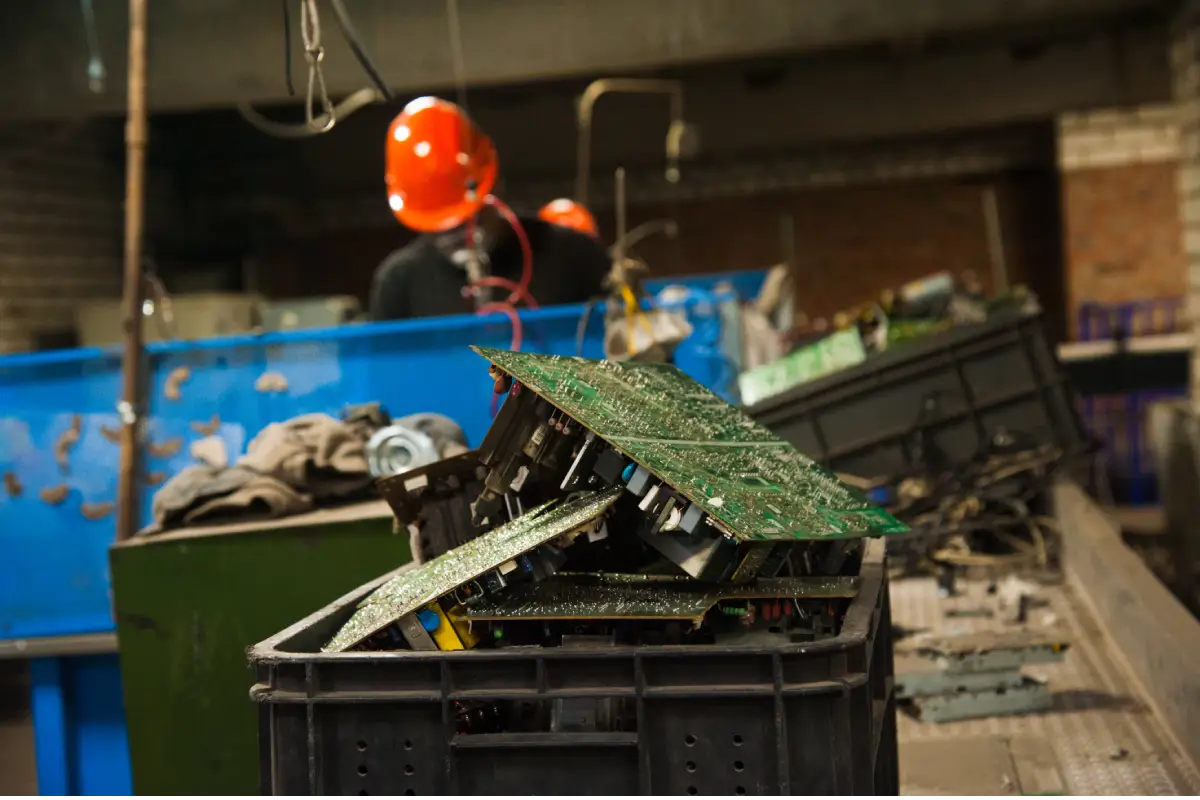
Old laptops, servers, monitors, networking gear, storage devices, and batteries cannot simply be treated like ordinary waste. The right disposal method affects not only convenience and cost, but also data security, compliance, audit readiness, and ESG reporting.
Singapore’s regulated e-waste framework and the growing emphasis on secure disposal mean companies need a more deliberate approach than ever before.
For most organisations, the real question is not whether to recycle, but whether pickup or drop-off is the smarter option. Both can work, but they suit very different business situations.
If you are choosing an e-waste recycling company Singapore businesses can rely on, understanding that distinction will help you avoid unnecessary risk and cost.
Key Takeaways
- Pickup is usually best for bulky loads, office IT refreshes, sensitive devices, and businesses that need a documented chain of custody.
- Drop-off works best for small volumes of low-risk items that staff can transport safely and efficiently.
- Data-bearing assets change decisions quickly because secure destruction, reporting, and traceability matter far more than simple convenience.
- The right provider should offer more than removal, including compliance support, documentation, and secure recycling workflows.
What Counts as Business E-Waste in Singapore
Business e-waste typically includes:
- Laptops
- Desktops
- Servers
- Monitors
- hard drives
- SSDs
- Printers
- networking equipment
- telecom hardware
- other retired electronic devices.
Many of these items contain hazardous components, while others store confidential business or customer data.
Singapore’s e-waste system is designed to ensure proper collection and treatment, not casual disposal. That matters because not all e-waste is equal. A bag of broken keyboards and cables is very different from a batch of decommissioned laptops or storage media.
Once your assets include sensitive data, batteries, bulky units, or mixed loads from an office move, the decision between pickup and drop-off becomes a business risk.
How E-Waste Drop-Off Works
.webp)
Drop-off usually means bringing your e-waste to an approved collection point, depot, or recycler’s facility.
In Singapore, official options include ALBA bins, designated collection programmes, and depot drop-off. However, drop-off is often best suited to smaller items and smaller quantities.
Public bins have physical slot limits, and bulky items should never be left outside collection points. Battery handling also requires care, including taping the ends or wires and properly containing leaking batteries.
For businesses, drop-off can be cost-effective when the volume is low and the items are not especially sensitive. The downside is that your team usually takes on the transport, handling, and time cost. That may be manageable for a handful of peripherals, but less practical for mixed office equipment, bulky hardware, or multiple departments clearing old assets at once.
How E-Waste Pickup Works
Pickup is designed for businesses that need a smoother and more controlled process. Typically, the recycler arranges collection from your premises, handles loading and transport, and moves the assets into a traceable recycling workflow.
Depending on the provider, this may also include:
- Weighing
- Tagging
- serial number logging
- secure logistics
- data destruction
- material recovery
- final reporting.
This service model is usually better suited to companies with larger volumes, multiple asset types, or equipment that contains sensitive information. Providers such as Vision Green highlight business-focused features, including secure dismantling, Certificates of Destruction, auditable reporting, and end-to-end handling.
In practice, pickup often saves staff time that would otherwise be spent. It also reduces the chance of improper transport, undocumented disposal, or internal confusion over who handled which assets.
Pickup vs Drop-Off: Which Is Better for Your Business?
If your business only has a few low-risk items and can transport them easily, drop-off may be perfectly reasonable. It can be a practical option for ad hoc disposal, especially when there is no urgent compliance or reporting need.
But if your business is dealing with old laptops, servers, hard drives, monitors, networking equipment, or mixed loads from a relocation or refresh cycle, pickup is usually the stronger choice. It is more convenient, easier to scale, and far better suited to secure handling.
Businesses also benefit from clearer documentation, which is important for internal audits, IT asset tracking, and sustainability reporting.
A good rule of thumb is that the more volume, complexity, or data sensitivity you have, the more advisable it becomes to use pickup.
Cost Considerations
Many businesses assume drop-off is always the cheaper option, but the real cost goes beyond transport alone. Staff time, internal coordination, loading, documentation, and the risk of mishandling data-bearing assets can all add to the total cost of disposal.
For small volumes of low-risk items, drop-off may still be practical. But for office clear-outs, IT refreshes, mixed loads, or devices containing sensitive data, pickup can often deliver better overall value.
A structured service reduces admin effort and helps ensure assets are handled properly from collection through final reporting.
Data Security and Compliance Often Make the Final Decision
For many businesses, the deciding factor is not convenience or transport. It is data security.
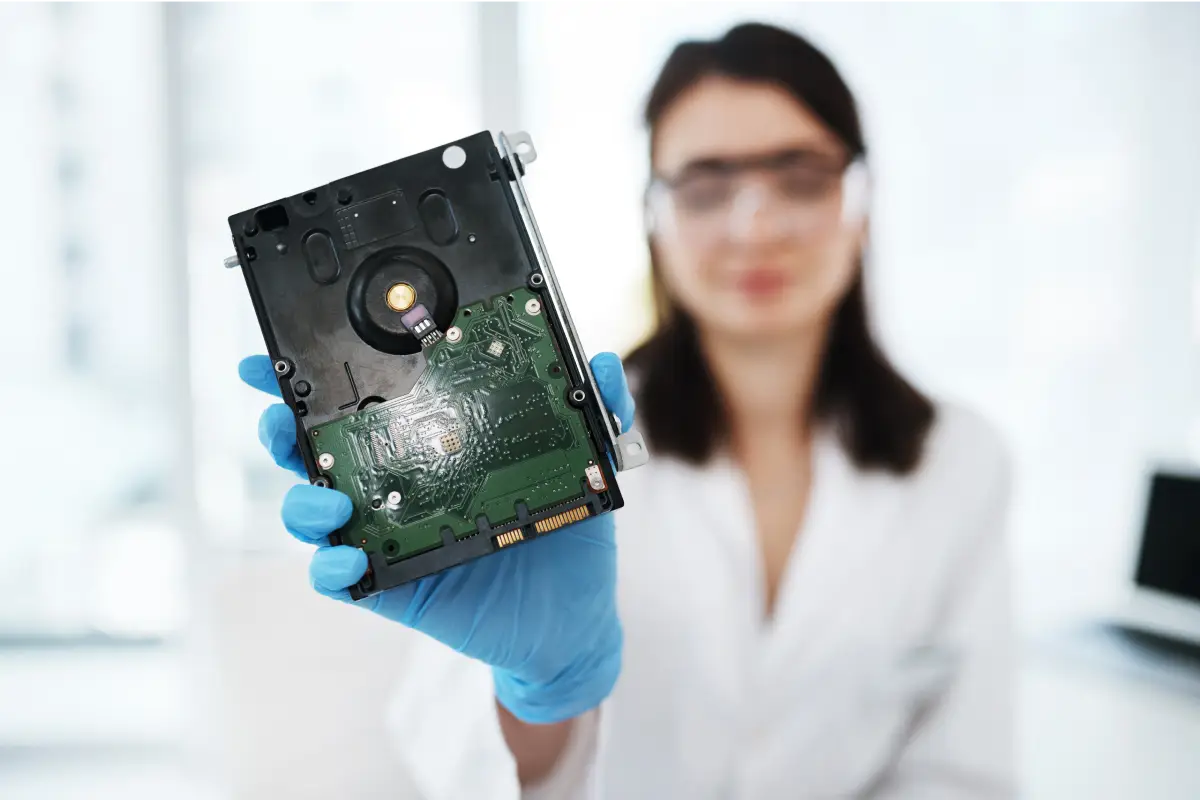
Laptops, desktops, servers, and storage media may still hold confidential files, financial records, employee data, customer information, or internal communications long after they are retired. That is why many businesses prefer pickup from a certified provider rather than an informal drop-off.
A professional e-waste recycling company in Singapore can integrate data sanitisation or destruction into the process through methods such as degaussing, shredding, or other secure handling protocols, then issue supporting documents.
Your provider should emphasise secure destruction, reporting, and certificates as part of their business disposal workflows.
If your business needs stronger assurance, it is worth reviewing a provider’s credentials. Vision Green’s certifications include:
- R2v3
- ISO 9001
- ISO 14001
- ISO 45001
- BizSAFE Star
- NEA-related licenses and authorisations
How to Choose the Right E-Waste Recycling Partner
The best partner is not just the one who can remove old equipment. It is the one that can help your business manage the entire end-of-life process responsibly.
Look for clear service scope, secure handling of data-bearing devices, reporting and certificates, relevant certifications, and the ability to manage both routine and complex collections. It also helps to choose a provider that understands the bigger picture.
If your business is comparing recycling and disposal more broadly, read our article on E-Waste Recycling vs Disposal in Singapore.
Frequently Asked Questions
Can businesses use public e-waste bins in Singapore?
Some public options exist, but they are not always practical for business loads. Size limits, item restrictions, and battery safety rules can make them unsuitable for bulky or sensitive equipment. (Source: NEA)
What if our devices still contain data?
You should work with a provider that offers secure data destruction and documentation. This is especially important for laptops, desktops, servers, and storage media.
What documents should a business ask for after disposal?
Common documents include a Certificate of Destruction, recycling certificate, serial number or inventory report, and weight or collection records, depending on the project scope.
When does pickup clearly make more sense than drop-off?
Pickup is usually the better option when you have bulky items, larger loads, sensitive assets, multiple departments involved, or tight timelines during an office move or IT refresh.
Choose the Right E-Waste Process for Your Business
For businesses in Singapore, drop-off can work for simple, low-volume disposal. But once convenience, secure data handling, documentation, and compliance become priorities, pickup is often the better long-term choice.
Take note: The more complex your e-waste stream is, the more valuable a structured, end-to-end service becomes.
If your organisation is looking for a trusted e-waste recycling company in Singapore, Vision Green provides secure collection, traceable recycling workflows, and business-ready reporting to help you manage retired electronics with confidence.
To discuss your requirements, request a quote, plan a collection, or contact us today.